
REPTRACK LEARN
All articles
Every article across all modules. Filter by category or browse them all.

How to Generate a Workout Plan with RepTrack's AI
RepTrack's AI plan generator builds a complete training program from your goals, equipment, and schedule. Here's how to use it, what to expect, and how to refine the output.

Setting Up Apple Health Sync in RepTrack
RepTrack syncs with Apple Health to pull in heart rate, steps, calories, body composition, and menstrual cycle data. Here's how to set it up and what it unlocks.

Generating and Sharing PDF Reports in RepTrack
RepTrack exports your training data as polished PDF reports. Here's what's included, how to customize them, and how to use them for program reviews with your trainer.

Using RepTrack's Progress Photo System
Progress photos are the most honest form of body composition tracking. Here's how to use RepTrack's transformation photo system to document your changes consistently and effectively.

Setting Up RepTrack Widgets on iOS
RepTrack offers home screen and lock screen widgets that keep your training data visible at a glance. Here's how to set them up and get the most from each one.

Complete Guide to Logging Workouts in RepTrack
Everything you need to know about tracking your training sessions in RepTrack — from starting a workout to reviewing your performance after the last set.

Follicular Phase Training: What the Evidence Really Says
Estrogen rises across the follicular phase — but does that mean you're reliably stronger? The strongest current research says cycle phase doesn't appreciably change training performance. Here's what actually holds up, and why to train by the symptoms you log rather than the calendar.

Hormonal Contraceptives and Training: What the Evidence Really Says About Birth Control
Hormonal birth control flattens your natural cycle. Here's what the evidence actually shows about muscle gain, strength, recovery, and body composition — and why the practical effect is smaller than the old cycle-syncing narrative claimed.

Iron Deficiency in Active Women: The Hidden Performance Killer
Up to 35% of female athletes are iron deficient. Learn how menstrual losses, exercise-induced hemolysis, and dietary gaps combine to drain your performance — and how to fix it.

Ovulation Phase and Performance: What the Evidence Really Says
Estrogen and testosterone both peak around ovulation — but does that actually make you stronger? Here's what the strongest current evidence says, and why to train by how you feel rather than the calendar.

PCOS and Training: Exercise Strategies for Polycystic Ovary Syndrome
PCOS affects 1 in 10 women and changes how your body responds to exercise and nutrition. Here's what the research says about training, insulin resistance, and lifestyle strategies that actually work.

Recovery Across Your Menstrual Cycle: What the Evidence Really Says
Sleep, HRV, and inflammation do shift on average across your cycle — but the strongest evidence says don't program recovery by the calendar. Here's what actually holds up, and how to adjust by the symptoms you log.
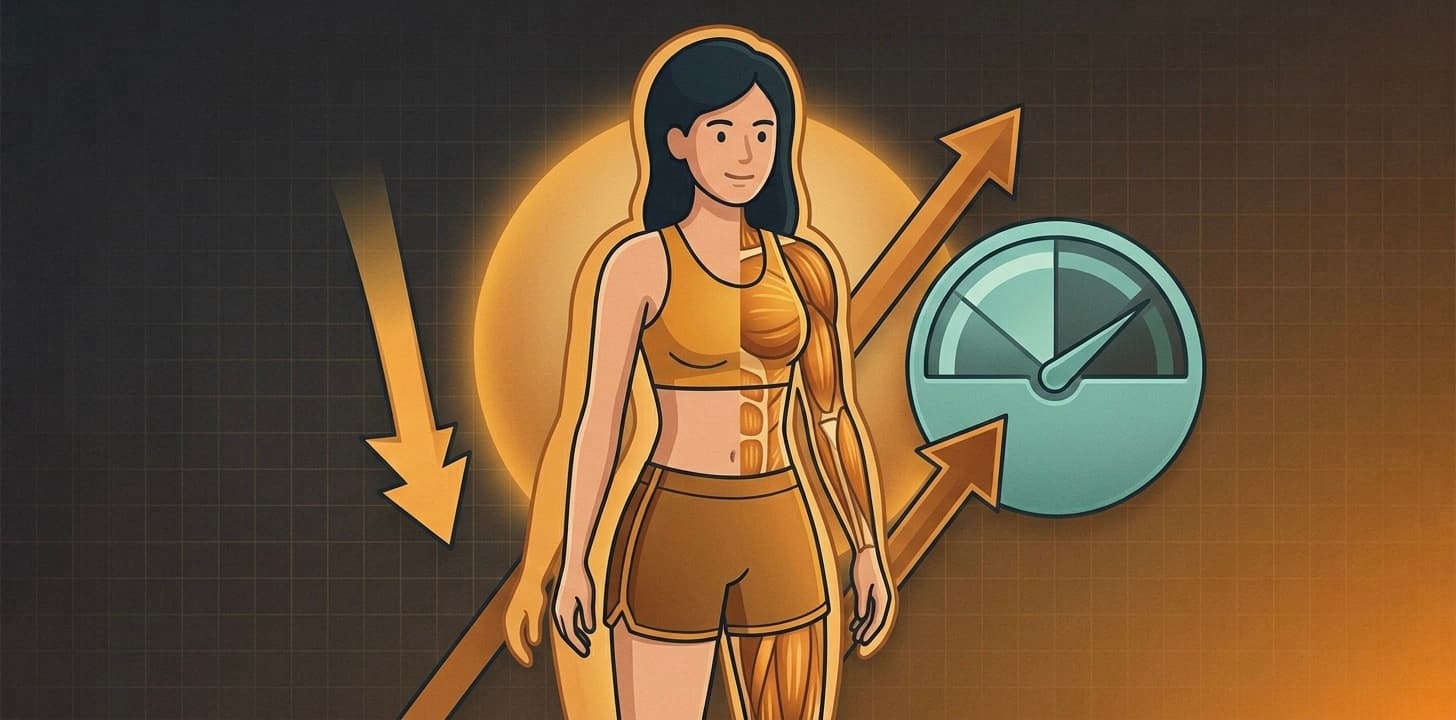
Body Recomposition: How to Build Muscle and Lose Fat at the Same Time
Body recomposition — gaining muscle while losing fat simultaneously — is real, but only under specific conditions. Here's the science on who can do it, how, and what to expect.
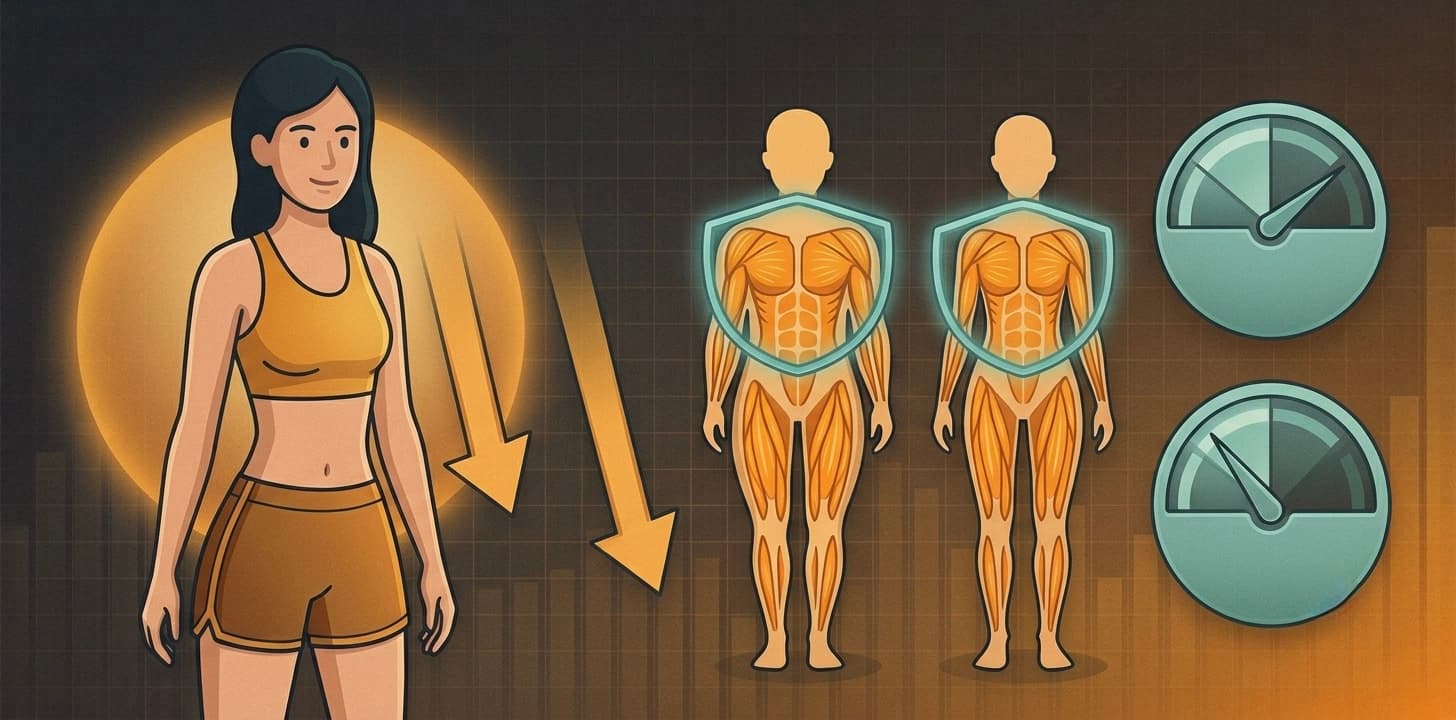
The Cutting Guide: How to Lose Fat and Keep Your Muscle
A proper cut means losing fat while preserving muscle. Here's the evidence-based protocol — deficit sizing, protein targets, training adjustments, diet breaks, and refeed days.
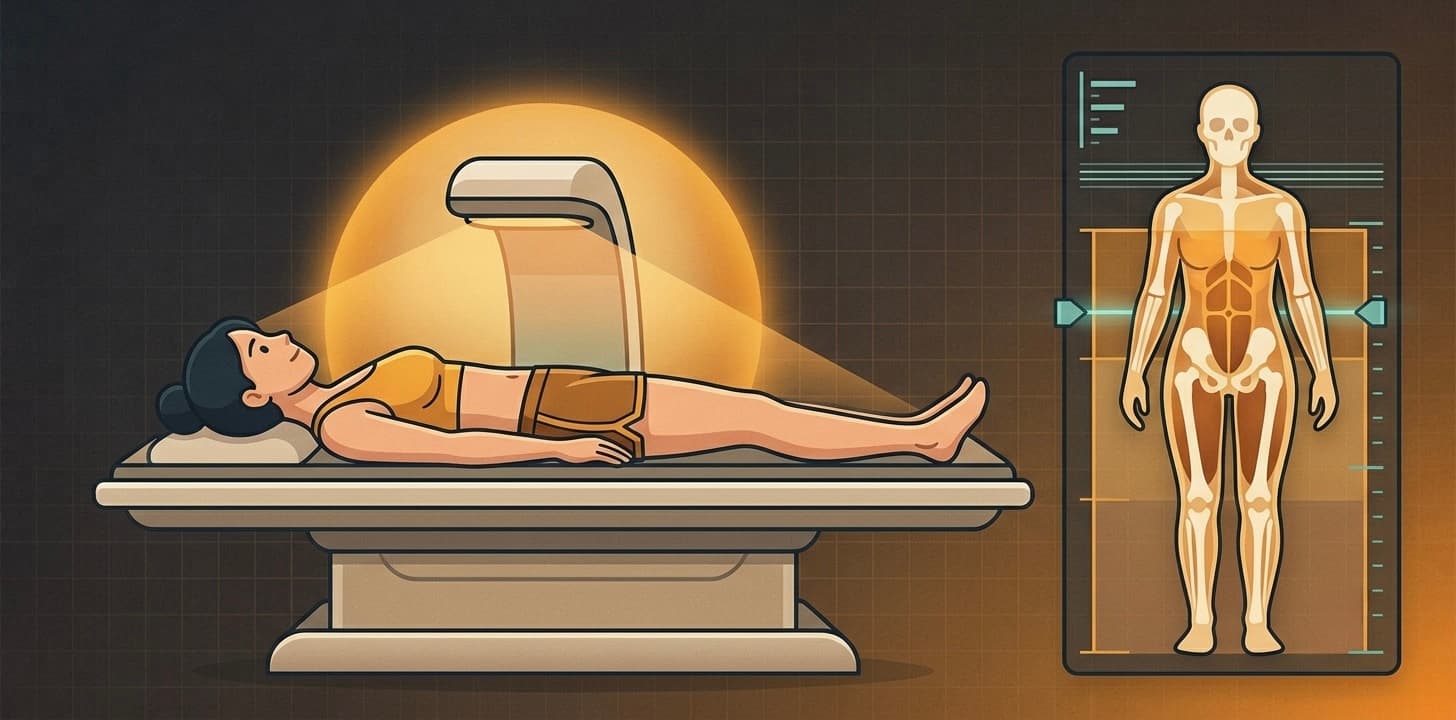
DEXA Scan Guide: The Gold Standard for Body Composition
DEXA scans use dual-energy X-rays to map your body composition with clinical precision. Here's how they work, what the results mean, and how they compare to other methods.
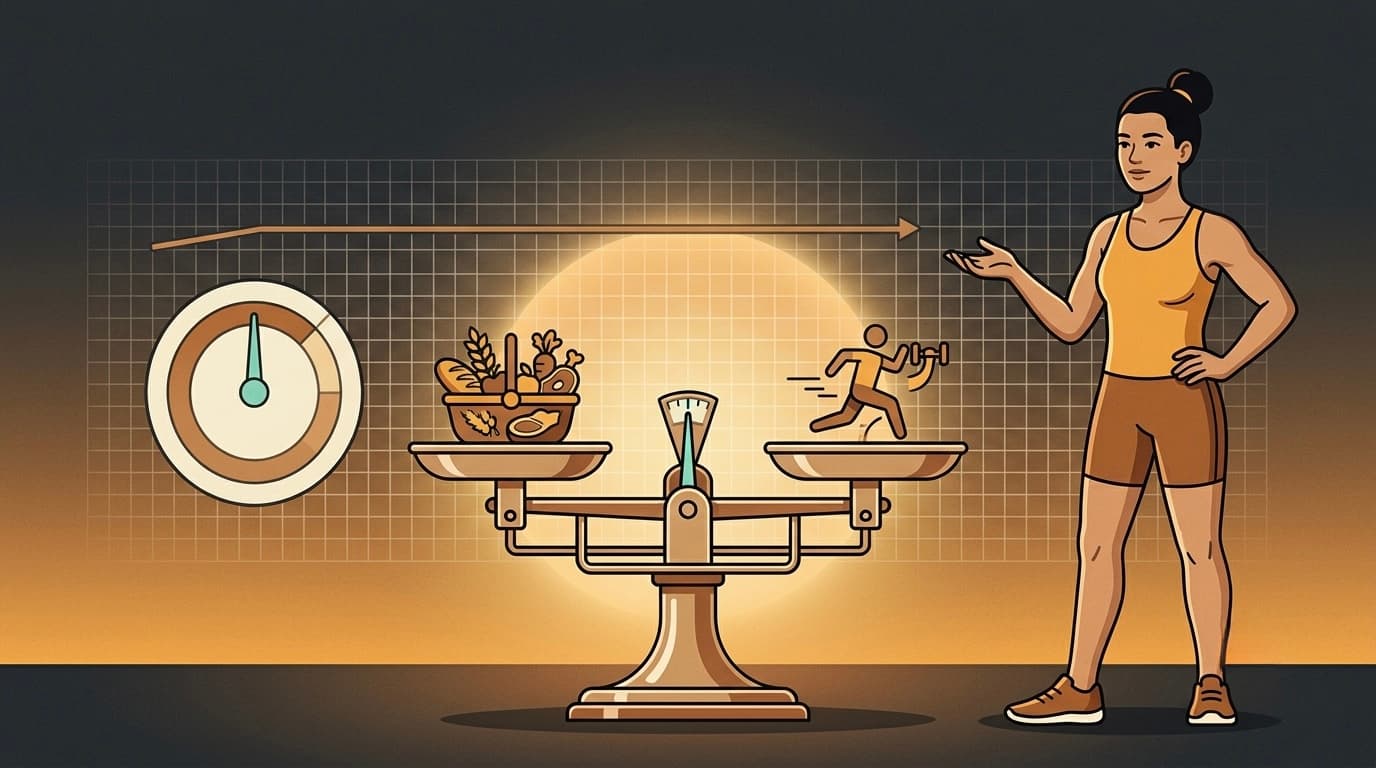
Maintenance Calories: How to Find and Use Your True TDEE
Your maintenance calories are not a fixed number from a calculator — they shift with activity, adaptation, and stress. Here's how to find your real TDEE and why spending time at maintenance matters.
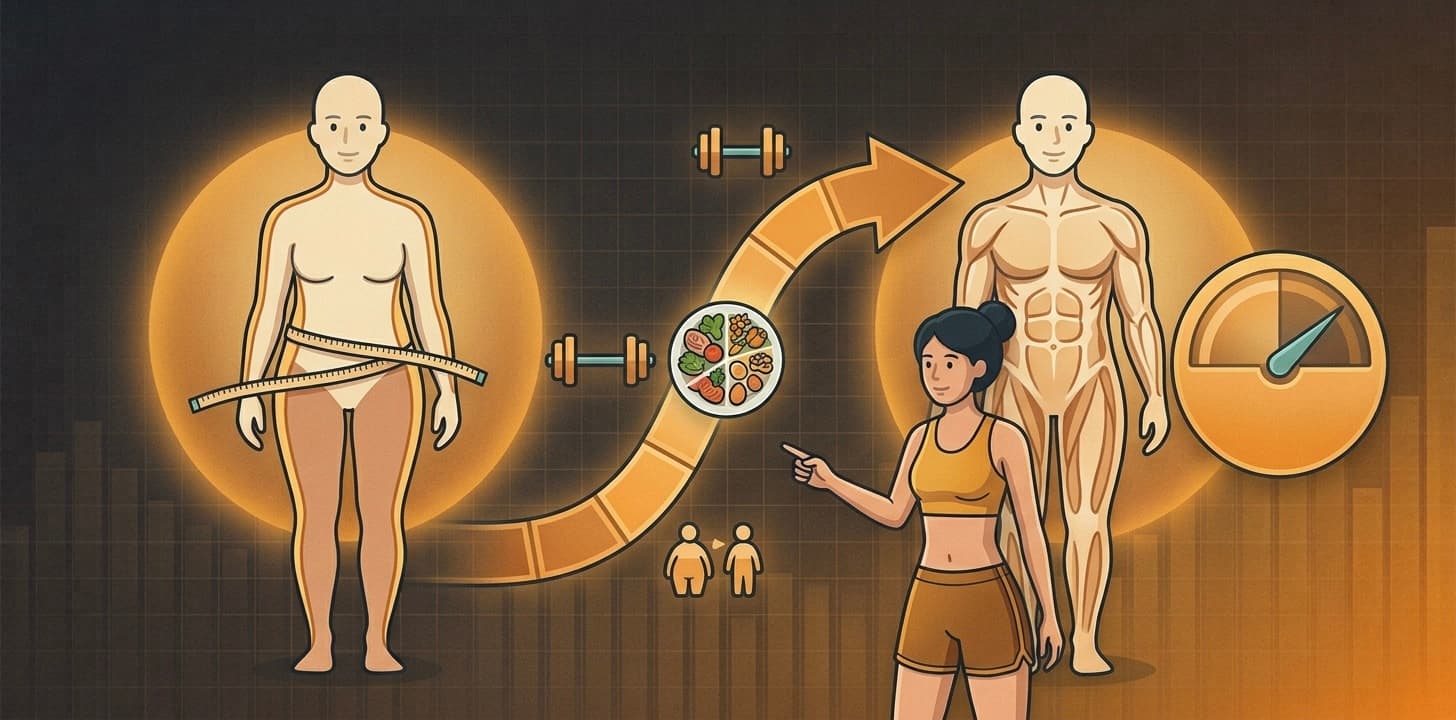
The Skinny Fat Solution: Fix Your Body Composition
Normal weight but high body fat — the 'skinny fat' phenotype is more common and more dangerous than people realize. Here's why it happens and the exact protocol to fix it.
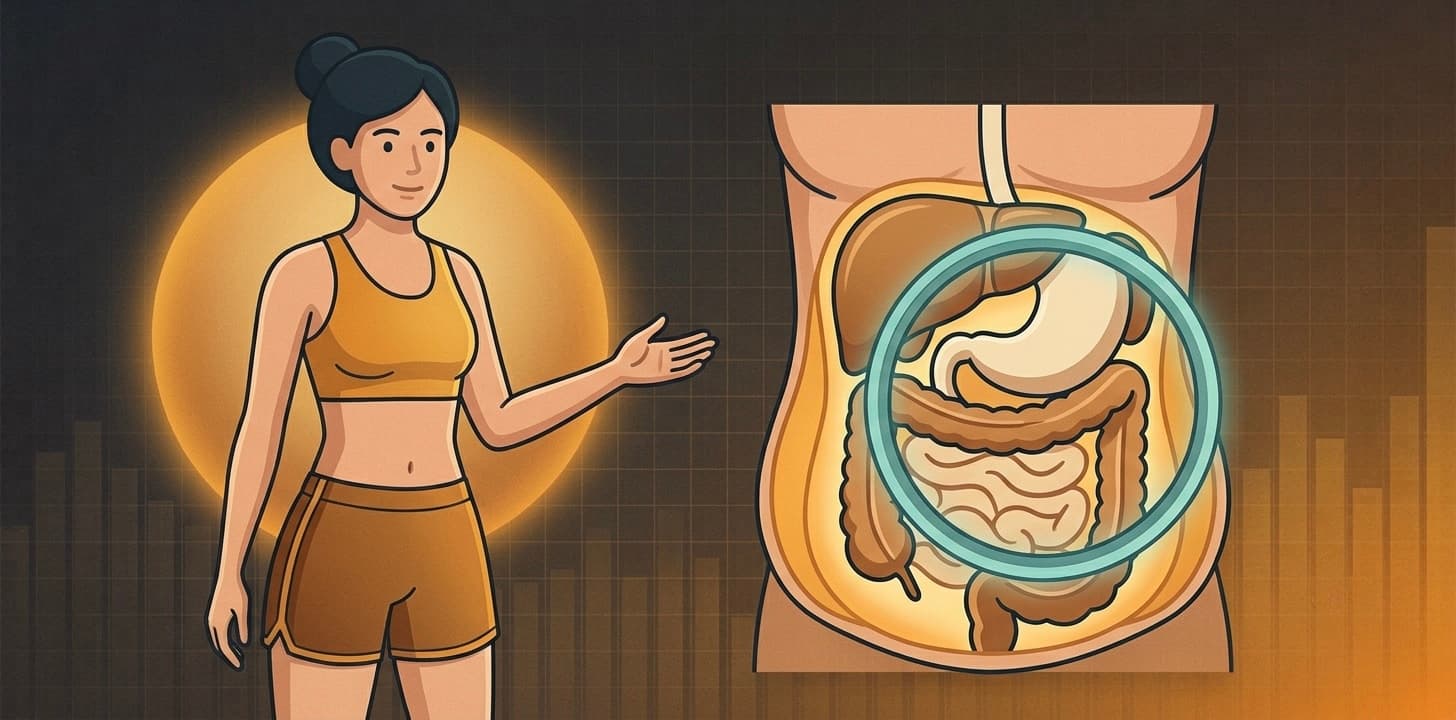
Visceral Fat: Why It's Dangerous and How to Lose It
Visceral fat wraps around your organs and drives inflammation, insulin resistance, and cardiovascular disease. Here's what it is, how to measure it, and proven strategies to reduce it.
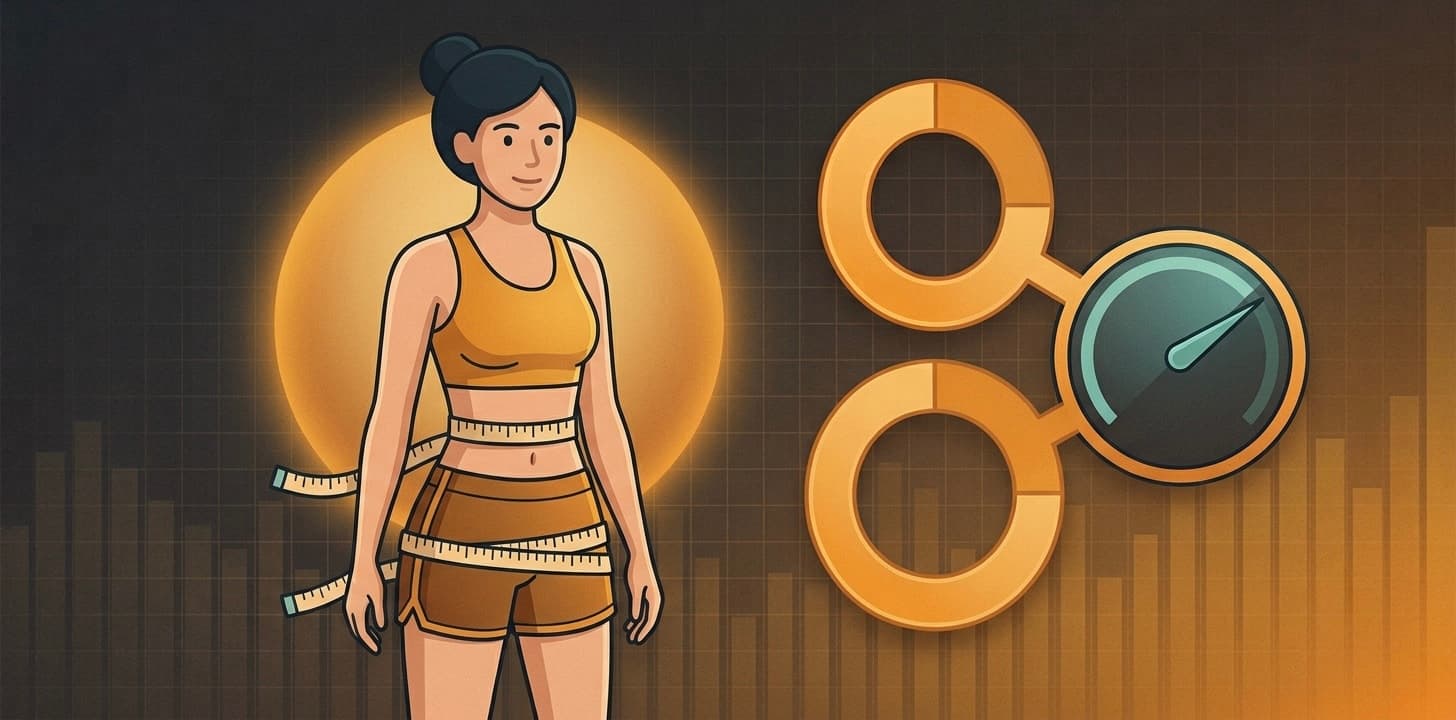
Waist-to-Hip Ratio: A Better Health Marker Than BMI
Waist-to-hip ratio (WHR) predicts cardiovascular disease and metabolic risk more accurately than BMI. Learn how to measure it, what your number means, and why fat distribution matters.

Alcohol and Fitness: How Drinking Affects Muscle, Recovery, and Fat Loss
Alcohol impairs muscle protein synthesis, disrupts sleep architecture, affects hormone levels, and slows fat metabolism. Here is what the research says — and practical guidelines for people who drink.

Carb Cycling: How to Match Carbohydrate Intake to Training Demands
Carb cycling adjusts your carbohydrate intake based on training intensity and volume. Learn how to structure high, medium, and low carb days for better performance and body composition.

Fiber Intake Guide: How Much Fiber You Need and How to Get It
Most people eat half the fiber they need. Learn why fiber matters for satiety, gut health, and body composition — plus how to increase your intake without digestive distress.

Gut Health and Exercise Performance: The Microbiome Connection
Your gut microbiome directly influences exercise performance, recovery, and immune function. Learn how fiber, prebiotics, probiotics, and training itself shape your gut health.

Micronutrients for Athletes: Essential Vitamins and Minerals for Performance
Macros get the headlines, but micronutrient deficiencies silently sabotage performance. Learn which vitamins and minerals athletes need most, how to identify deficiencies, and when to supplement.

Post-Workout Nutrition: What to Eat After Training for Recovery and Growth
The post-workout meal supports glycogen replenishment, muscle protein synthesis, and recovery. Learn the real science of nutrient timing after training — without the bro-science panic.
Pre-Workout Nutrition: What to Eat Before Training for Peak Performance
What you eat before training affects energy, strength, and endurance. Learn the ideal timing, macronutrient composition, and practical meal ideas for pre-workout nutrition.
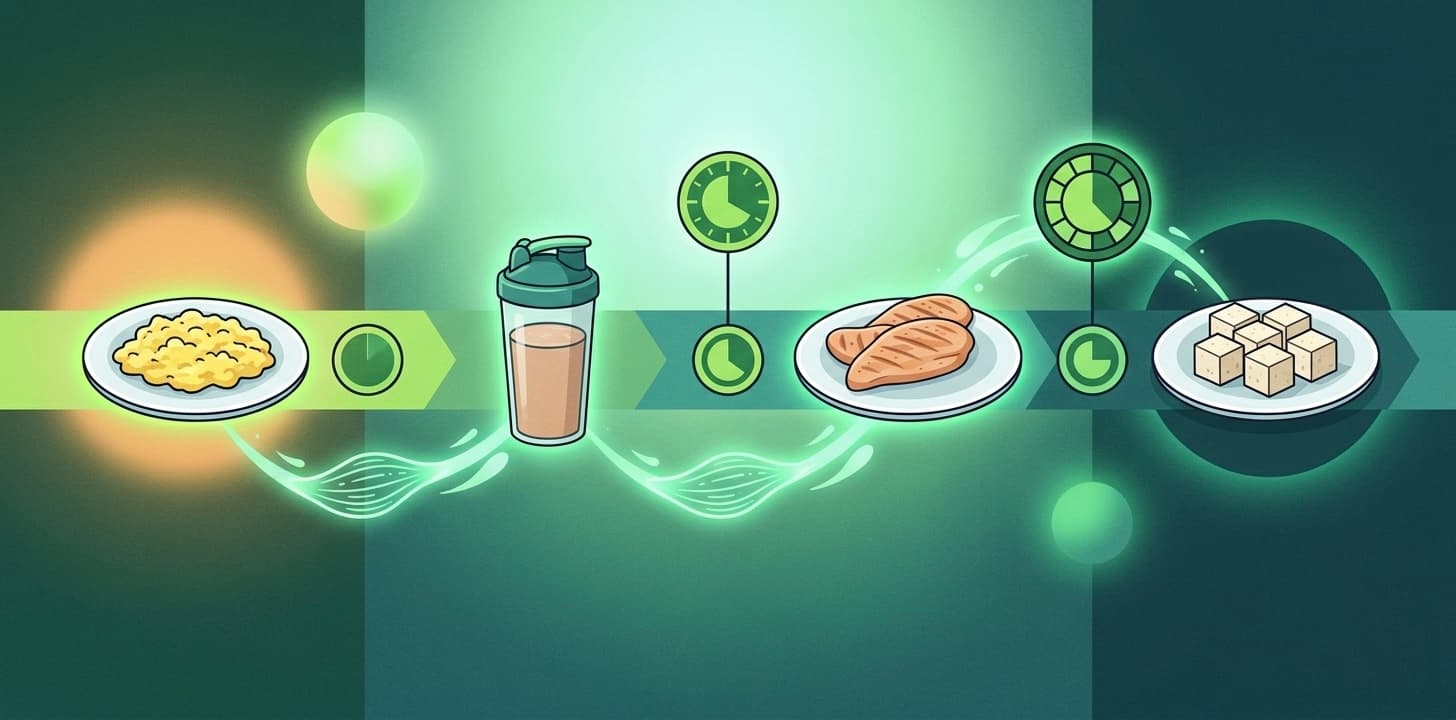
Protein Timing: When to Eat Protein for Maximum Muscle Growth
The anabolic window is real but far wider than gym culture claims. Learn the science of protein distribution, leucine thresholds, and MPS refractory periods to optimize your gains.

Reverse Dieting: How to Transition Out of a Calorie Deficit Without Gaining Fat
After a cut, jumping back to maintenance calories often causes rapid fat regain. Reverse dieting adds calories back gradually to restore metabolic rate while minimizing fat gain.

Sodium and Training: The Electrolyte Athletes Get Wrong
Sodium is demonized in general health advice but essential for athletic performance. Learn about electrolyte balance, sweat rate testing, hyponatremia risk, and practical sodium strategies.
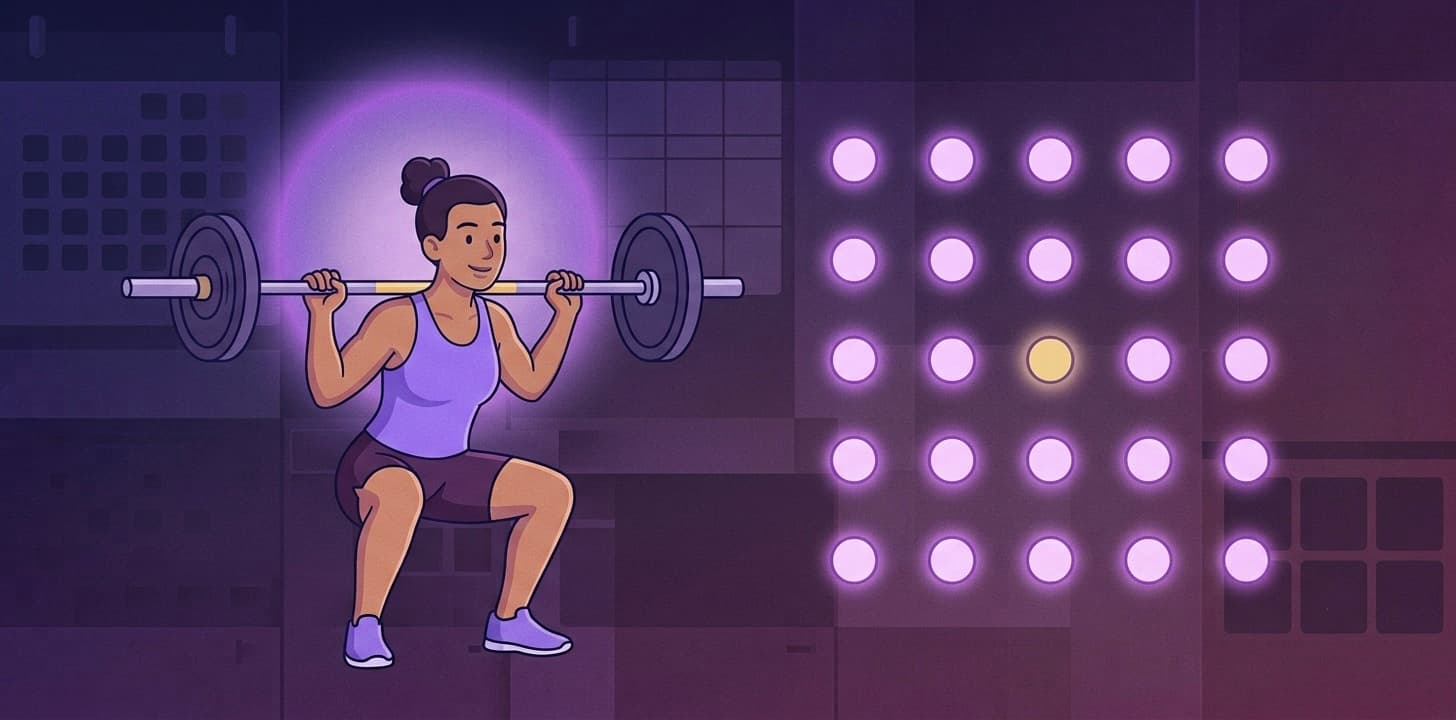
The 5x5 Method: Complete Guide to Strength Building
The 5x5 method is one of the most proven approaches to building foundational strength. Learn its origins, how to run it properly, when to reset, and when you have outgrown it.

The Bro Split: Complete Guide to the Classic Bodybuilding Split
The bro split dedicates one training day to each major muscle group. Learn when this classic bodybuilding approach works, when it falls short, and how to build an effective five-day body-part split.
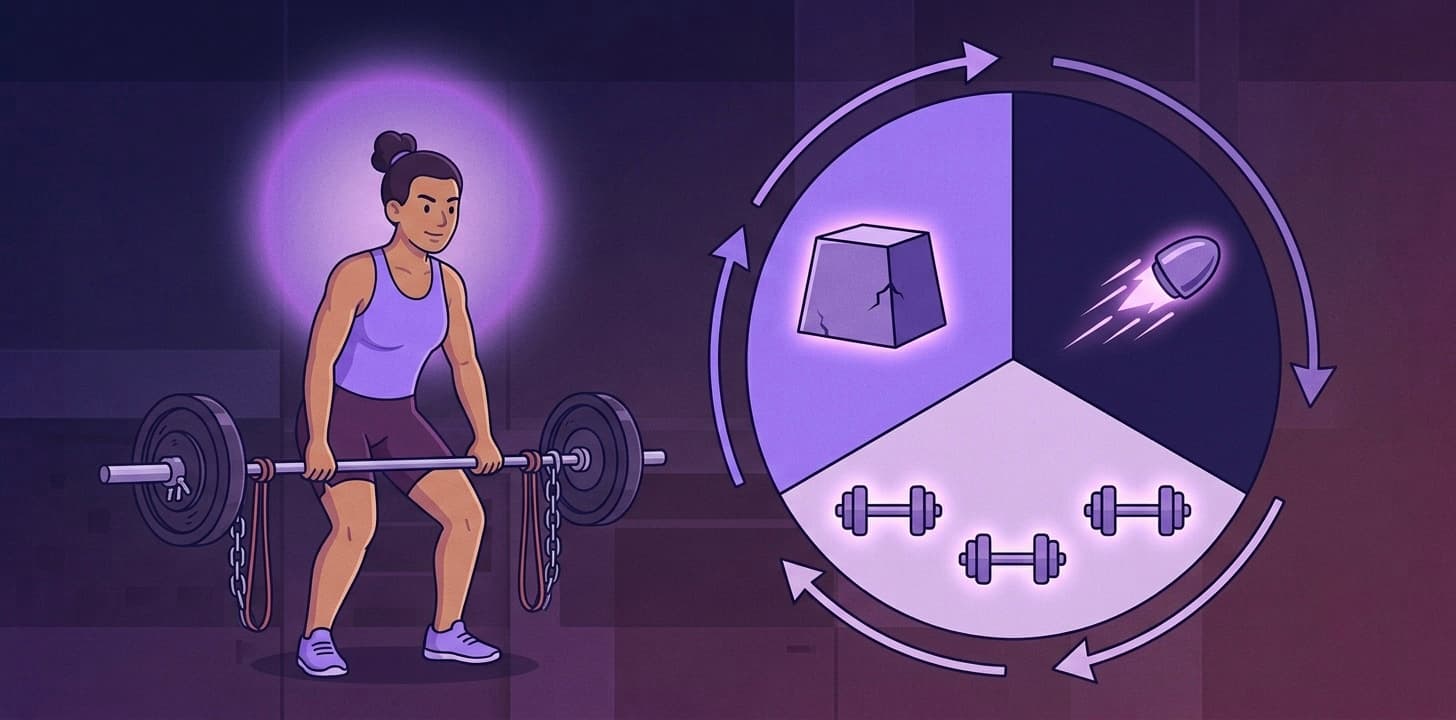
The Conjugate Method: Westside Barbell's Training System Explained
The conjugate method rotates exercises frequently and trains maximum strength and speed on separate days. Learn how the Westside Barbell system works and how to adapt it beyond powerlifting.

German Volume Training: The 10x10 Hypertrophy Method
German Volume Training uses 10 sets of 10 reps to push muscles to the limit of their growth capacity. Learn how the 10x10 method works, who should use it, and how to survive the recovery demands.

Periodization: The Complete Guide to Programming Training Cycles
Periodization is the systematic planning of training variables over time. Learn the differences between linear, undulating, and block periodization — and how to apply each model to your own programming.
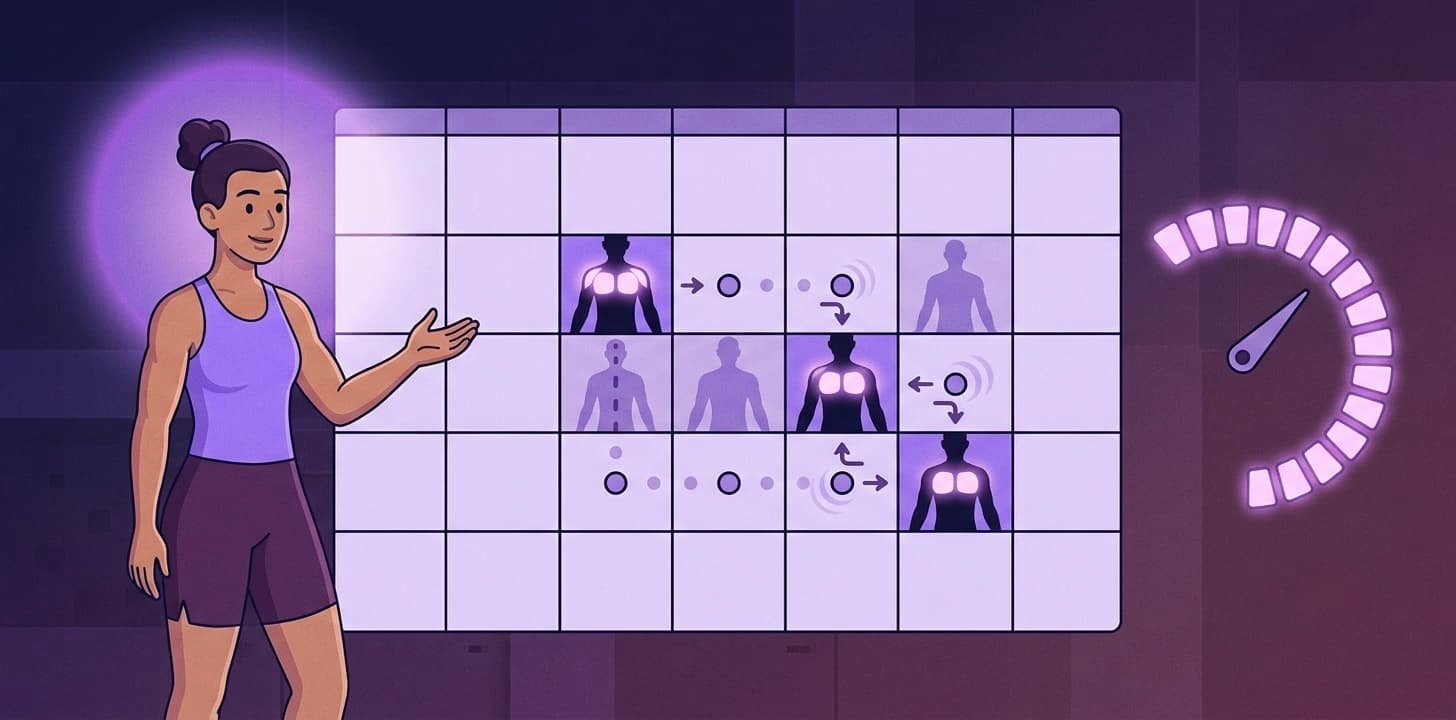
Training Frequency: How Often Should You Train Each Muscle Group?
How many times per week should you train each muscle? This guide covers the research on 1x, 2x, and 3x weekly frequency, volume distribution, and practical recommendations by experience level.

Daily Undulating Periodization: The Complete DUP Guide
Daily undulating periodization rotates between heavy, moderate, and light training sessions within a single week. Learn why DUP outperforms linear models for intermediate lifters and how to set it up.
The Deload Week: Why Training Less Makes You Stronger
A deload is a planned reduction in training stress that allows accumulated fatigue to dissipate, revealing the fitness you have built. Learn when to deload, how to structure one, and why skipping deloads sabotages long-term progress.
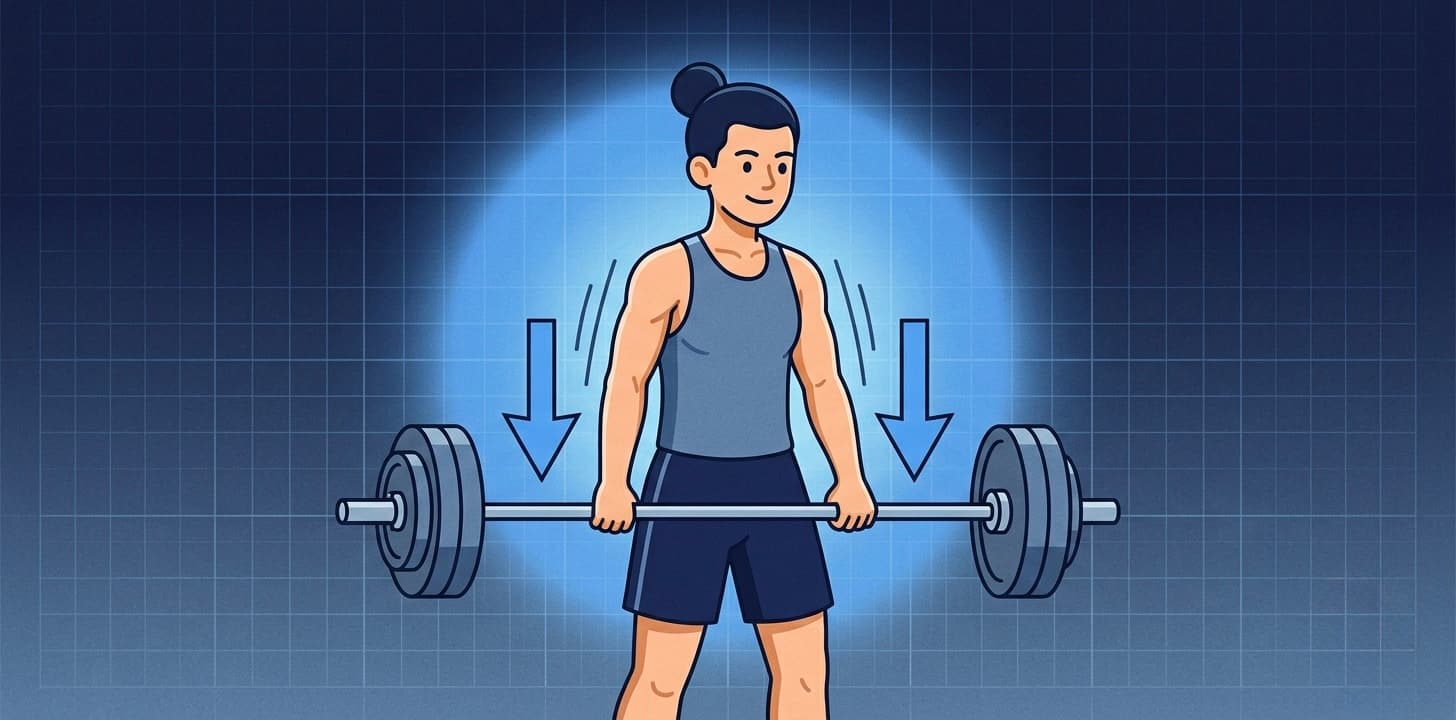
Eccentric Training: The Power of the Negative Rep
Your muscles are 20-40% stronger during the lowering phase than the lifting phase. Eccentric training exploits this asymmetry to produce superior muscle growth, strength gains, and injury resilience. Here's the science and the programming.
Isometric Training: Building Strength Without Moving
Isometric contractions — holding a position under load without movement — are one of the oldest and most underused training methods. Learn the difference between yielding and overcoming isometrics, joint angle specificity, and how to program isometrics for strength, rehab, and plateaus.
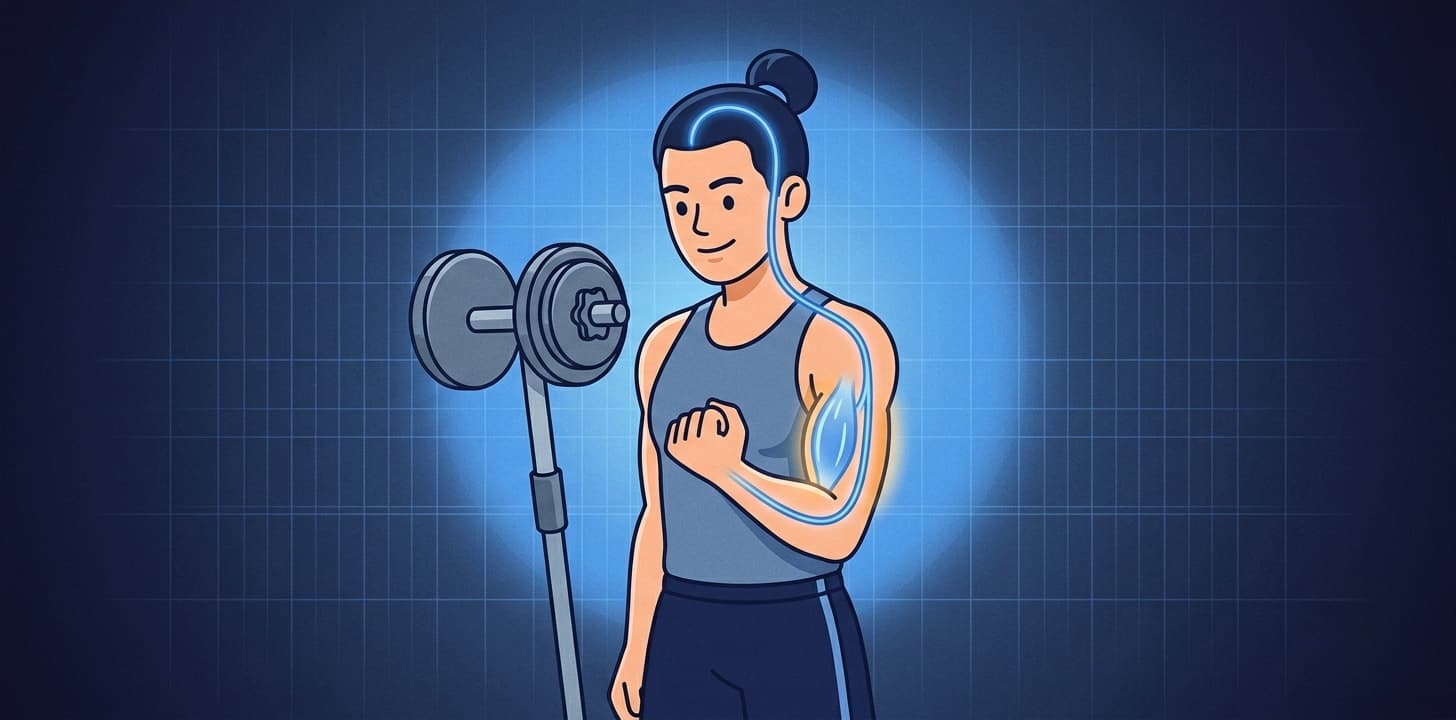
The Mind-Muscle Connection: Neuroscience Meets the Weight Room
The mind-muscle connection is more than gym folklore. EMG research confirms that internal focus of attention increases muscle activation — but only in the right context. Here's when to use it and when to ignore it.
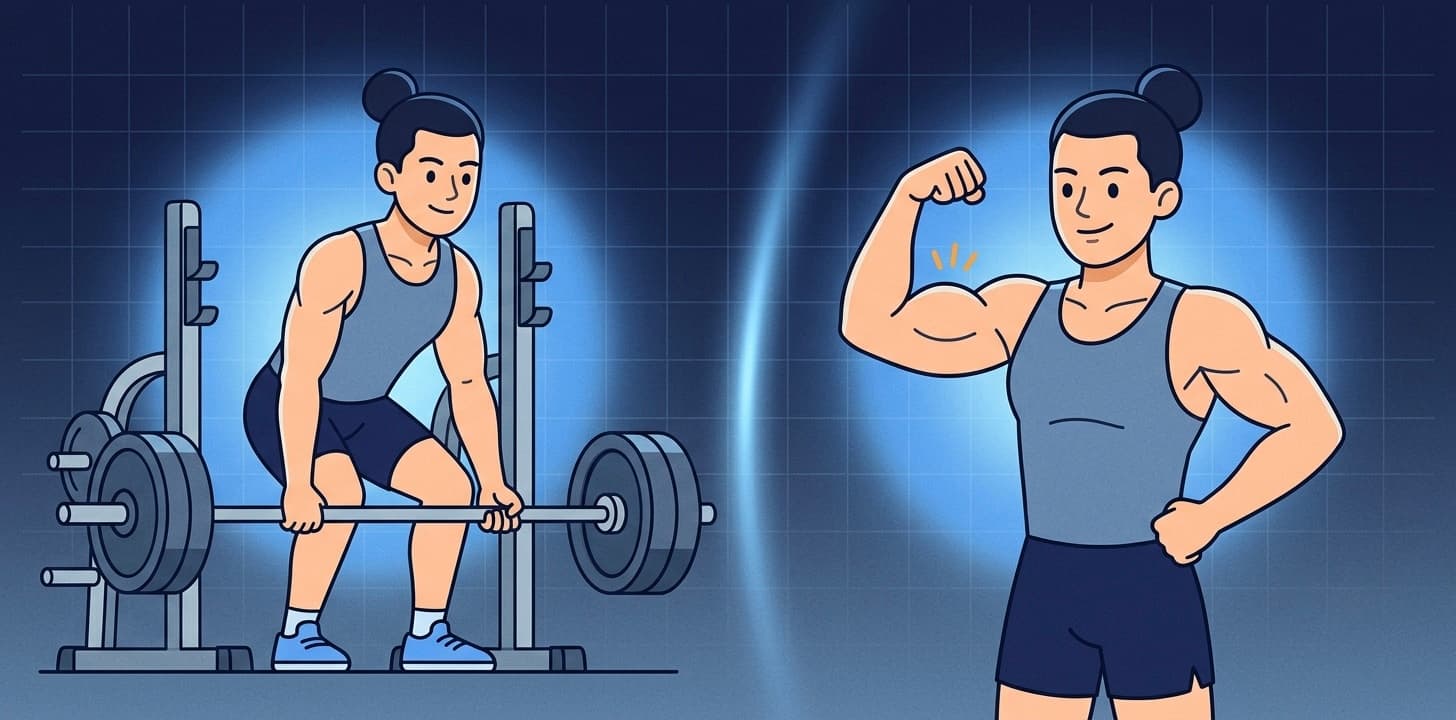
Strength vs. Hypertrophy: Programming for the Outcome You Want
Strength and hypertrophy are related but distinct adaptations that respond to different training variables. Learn how rep ranges, intensity, and volume interact, and how to periodize between strength and hypertrophy phases for maximum results.
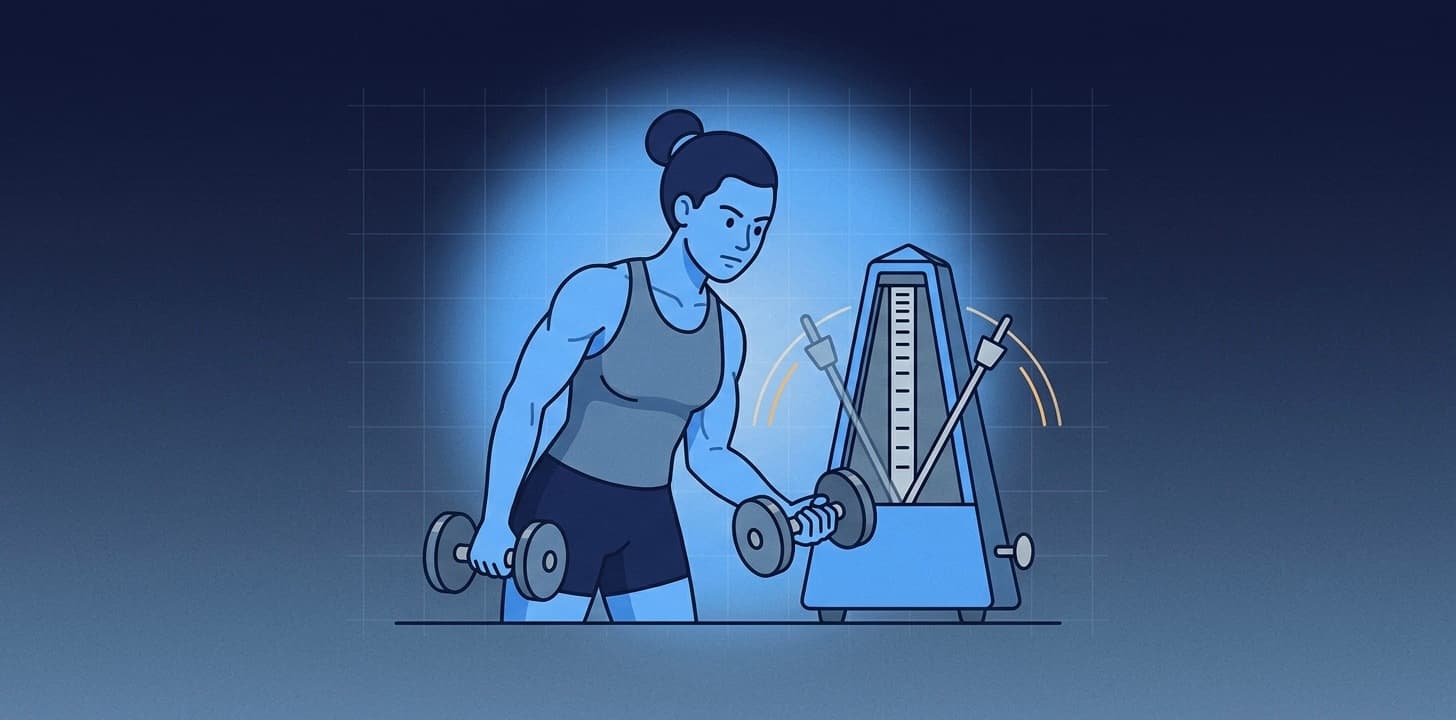
Tempo Training: Controlling Every Phase of the Rep
Tempo prescriptions tell you exactly how fast to lower, pause, lift, and lock out every rep. Learn how to read tempo notation, when to use slow eccentrics vs explosive concentrics, and how tempo manipulates time under tension for better results.
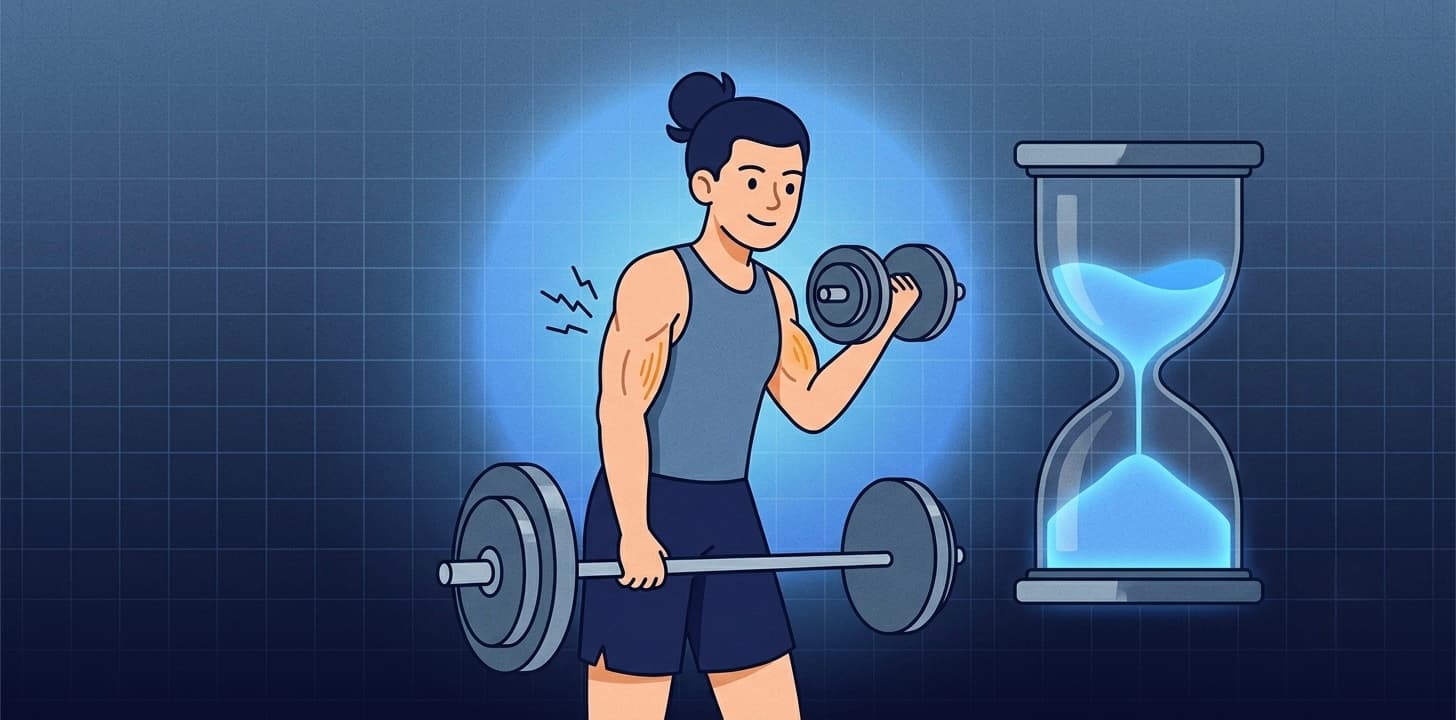
Time Under Tension: What the Research Actually Says
Time under tension is one of the most discussed — and most misunderstood — concepts in resistance training. Here's what TUT actually is, what the research shows about its role in hypertrophy, and when manipulating it is genuinely useful.
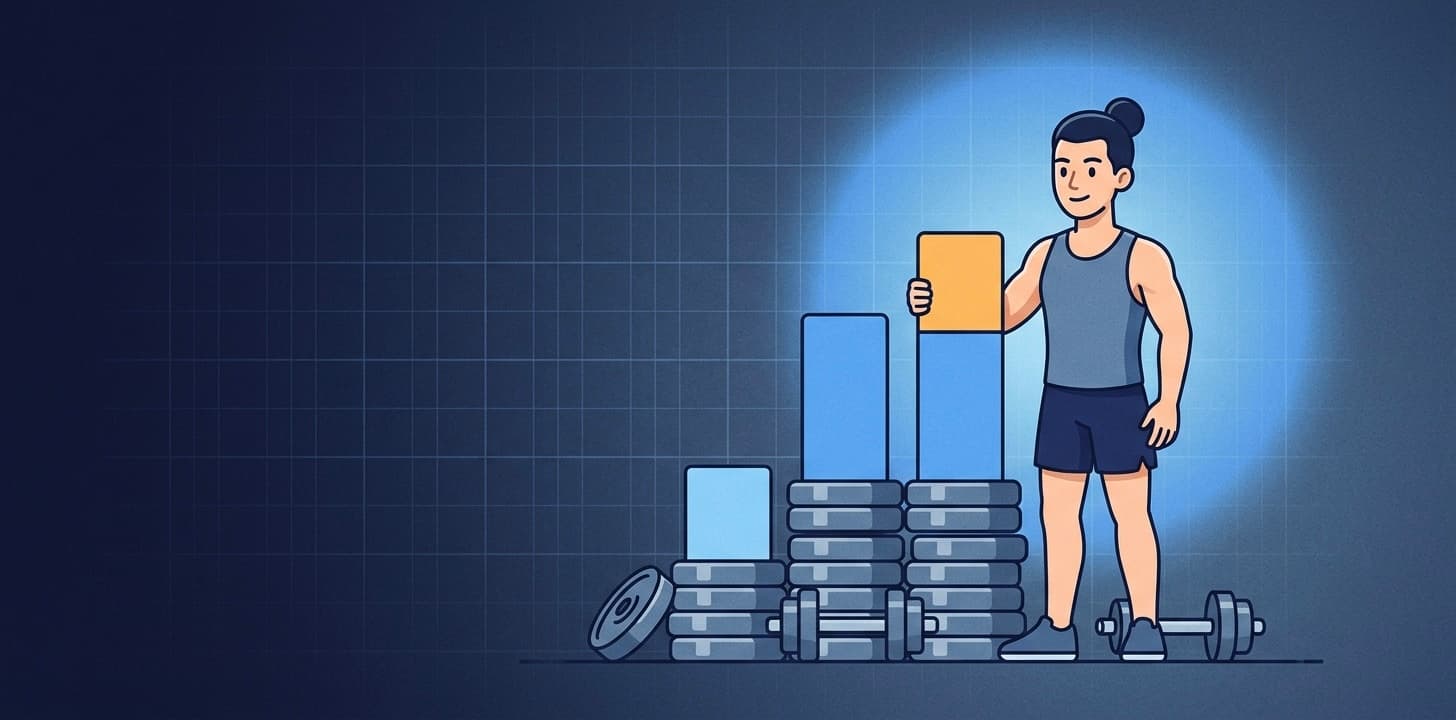
Training Volume: Finding Your Minimum, Maximum, and Sweet Spot
Volume is the primary driver of hypertrophy — but more is not always better. Learn the MEV/MAV/MRV framework, how to find your personal volume landmarks, and how to avoid junk volume that generates fatigue without stimulating growth.
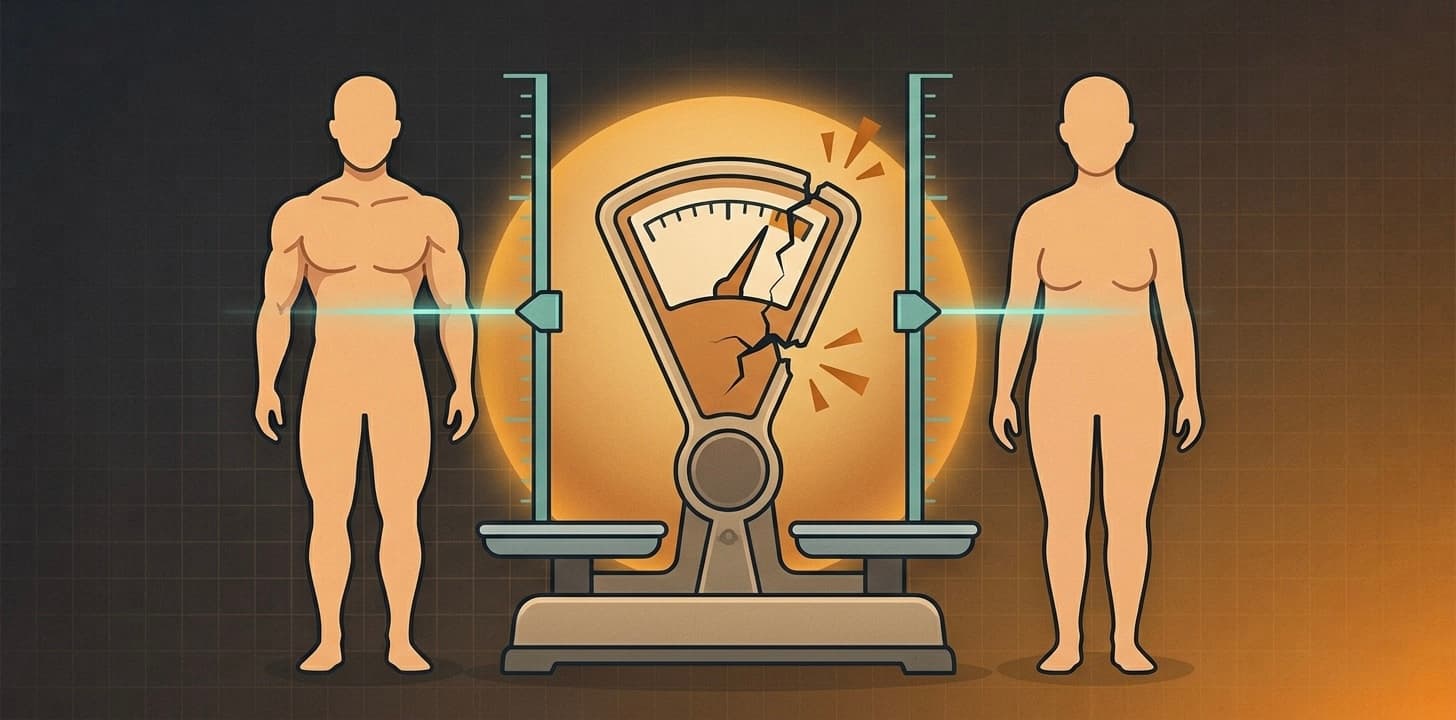
BMI Is Broken: Why You Need Better Metrics for Body Composition
A formula from 1832 that ignores muscle, bone density, and fat distribution. Here's why BMI fails — and what to track instead.

How to Pick the Right Training Split for Your Schedule
Three days? Four? Six? Your schedule determines your split — not the other way around. Here's the decision framework.

How to Use RepTrack's Cycle Tracking: Setup, Check-Ins, and Symptom-Based Coaching
From first setup to daily check-ins to what the app actually does with your data — here's how to get the most out of RepTrack's cycle tracking, which adapts to the symptoms you log, not the calendar.
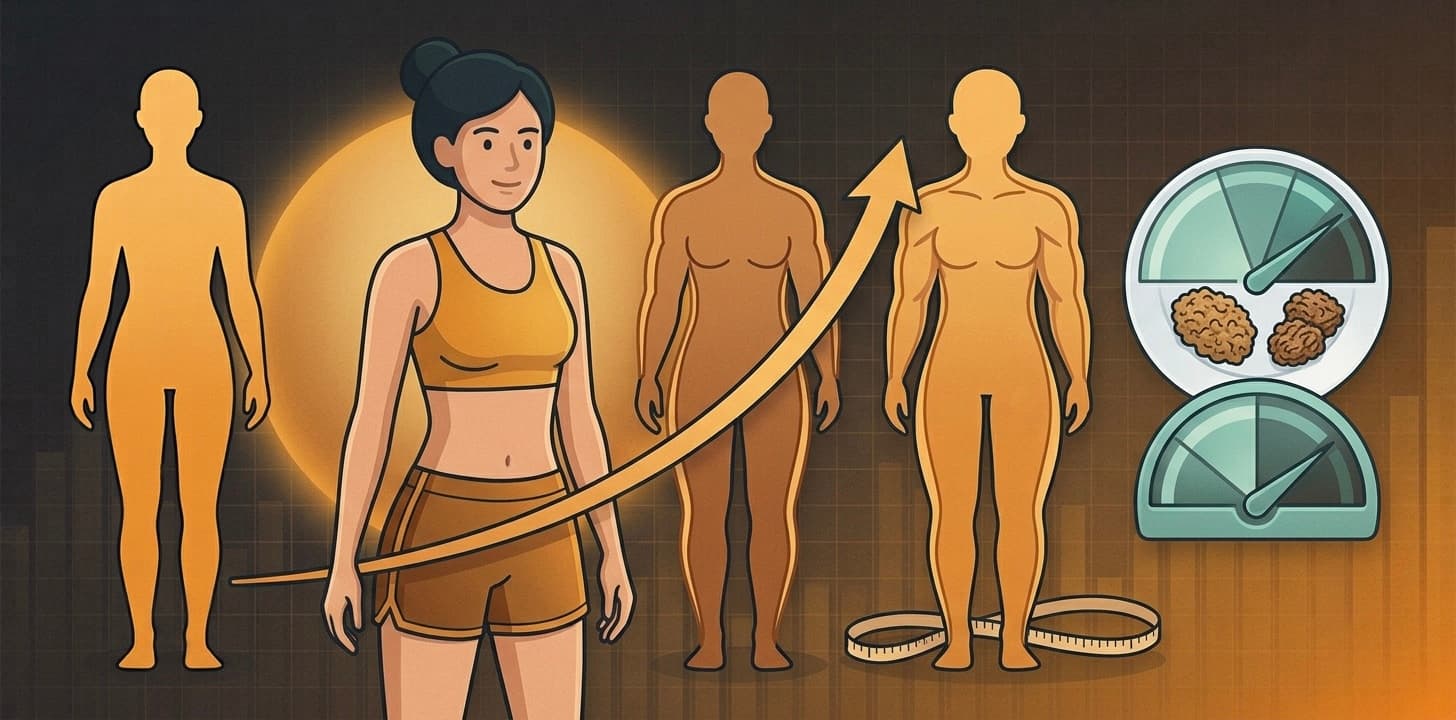
The Lean Bulk Guide: Build Muscle Without Getting Fat
A lean bulk means gaining muscle with minimal fat. Here's the exact surplus, protein target, and tracking strategy to do it right.

Meal Timing: Does When You Eat Actually Matter?
The 'anabolic window' is mostly myth. But meal timing does matter in specific situations. Here's what the research actually says.

Your Metabolic Status Dashboard, Explained
Every number on RepTrack's metabolic screen means something specific. Here's what each metric is, where it comes from, and how to use it.
Rest Days: How Many You Need and When to Take Them
Recovery isn't laziness — it's where adaptation happens. Here's how to structure rest days, deload weeks, and active recovery.

Symptom Tracking: What Your Body Is Telling You About Your Training
A single bad day means nothing. Three cycles of symptom data reveals your unique performance patterns. Here's what to track and why.

BMR vs. RMR: What's the Difference and Which One Matters?
Two acronyms, one crucial concept. Here's what BMR and RMR actually mean, how they're calculated, and which equation you should trust.

Calorie Deficit vs. Surplus: Which One Do You Need?
How energy balance actually works — and how to set the right calorie target for fat loss, muscle gain, or maintenance.
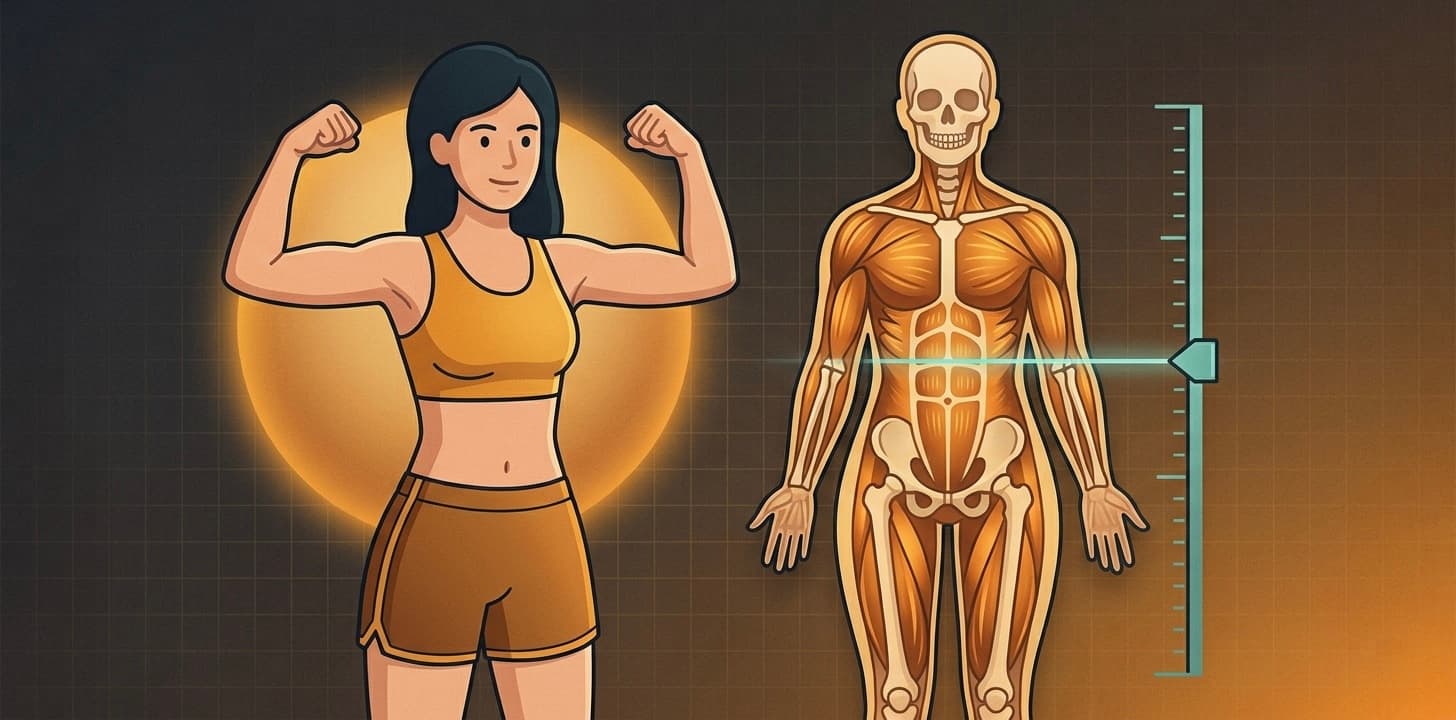
Fat-Free Mass: The Metric Athletes Should Track Instead of Weight
Two people can weigh the same and look completely different. Fat-free mass explains why — and why it's the better metric for progress.
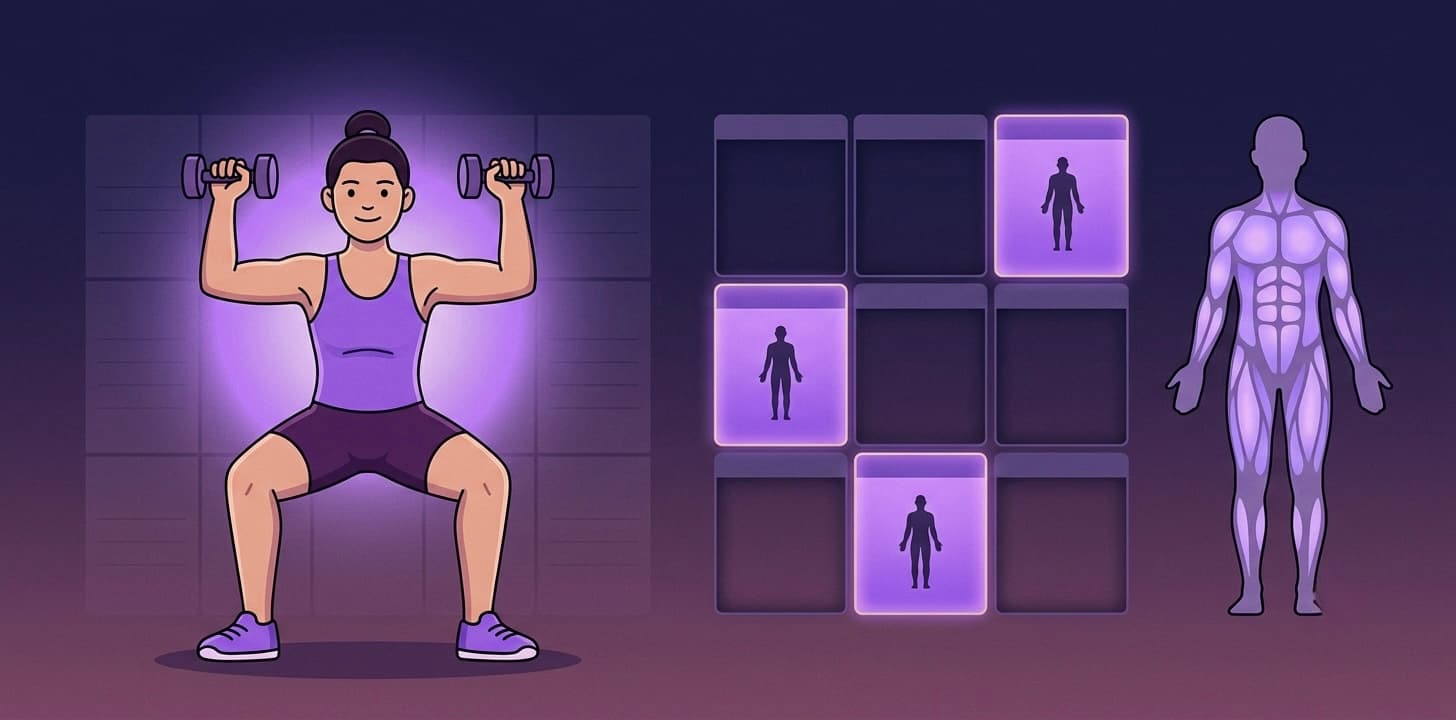
Full Body Training: Why Beginners Should Start Here
Three days per week, five compound movements, and a clear path from novice to intermediate. The beginner program that actually works.

Hydration for Performance: How Much Water Do You Actually Need?
Forget '8 glasses a day.' Here's how to calculate your actual hydration needs based on your body weight, activity level, and training demands.

Luteal Phase Nutrition: What the Evidence Really Says About Calories and Cravings
Does your metabolism really speed up in the luteal phase? The evidence is more modest than the headlines. Here's what actually changes — and how to eat to your targets while honoring genuine hunger and cravings.
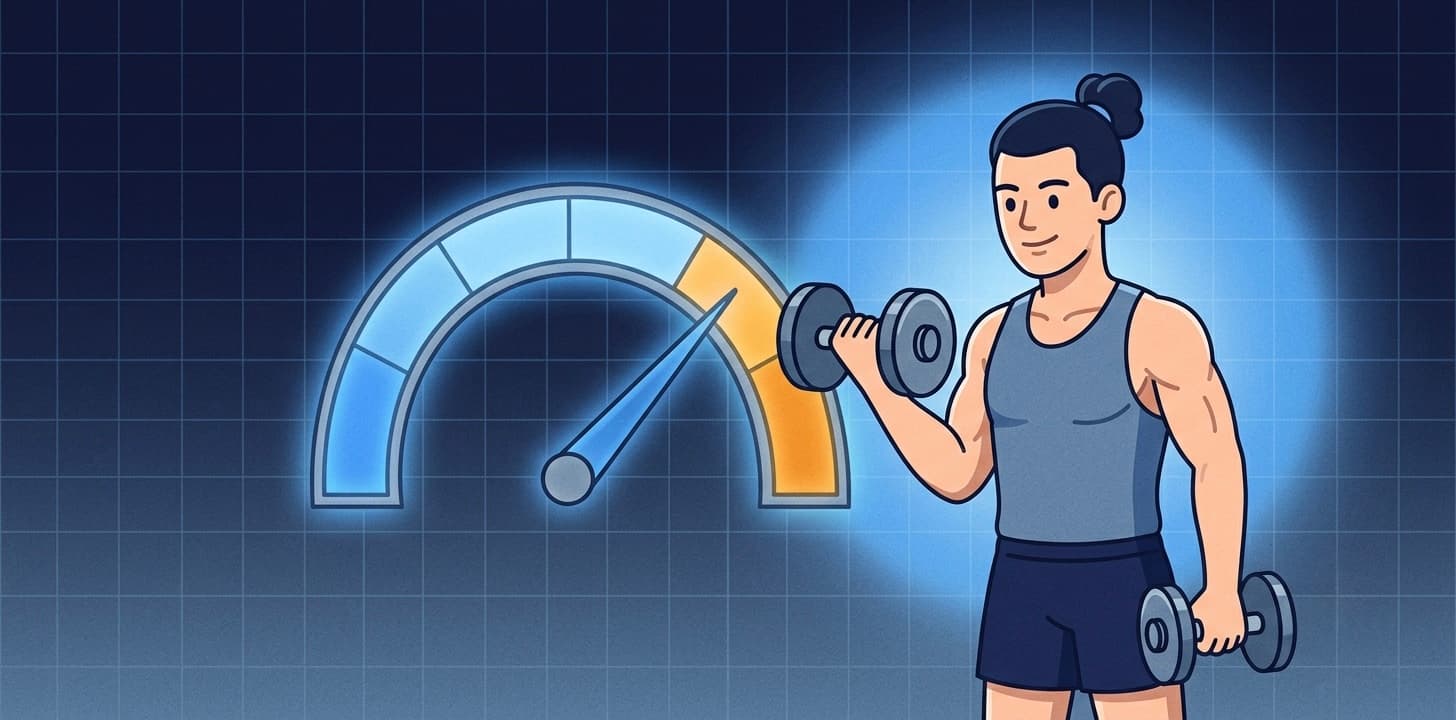
RPE Training: How to Autoregulate Your Workouts
RPE lets you adjust training intensity based on how you actually feel — not just what the spreadsheet says. Here's how to use it properly.
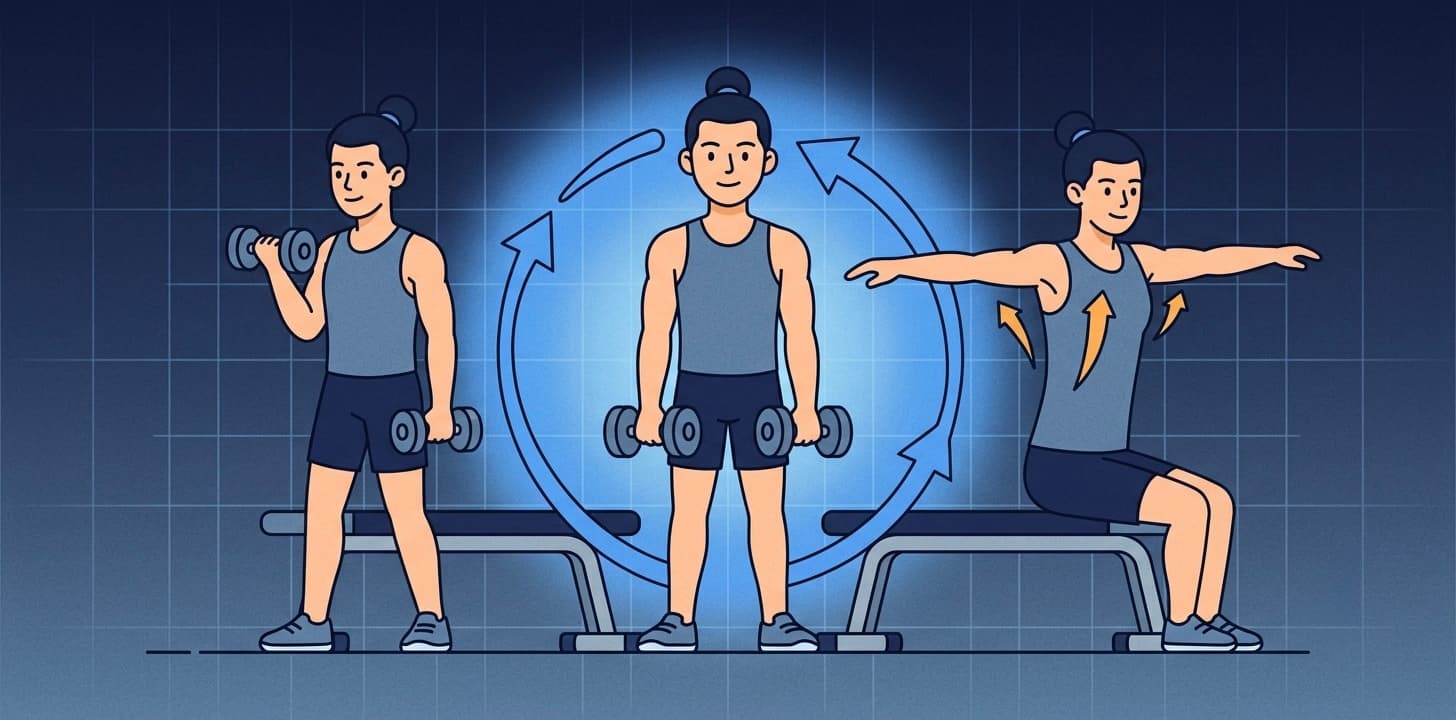
Supersets, Drop Sets, and Giant Sets: When to Use Each One
Advanced set techniques can slash your workout time and boost hypertrophy — if you use them correctly. Here's when each one actually makes sense.
Training During Your Period: What the Science Actually Says
Yes, you can train through your period — for most people it eases symptoms rather than hurting performance. Here's what the evidence actually shows, and how to train by your symptoms instead of the calendar.
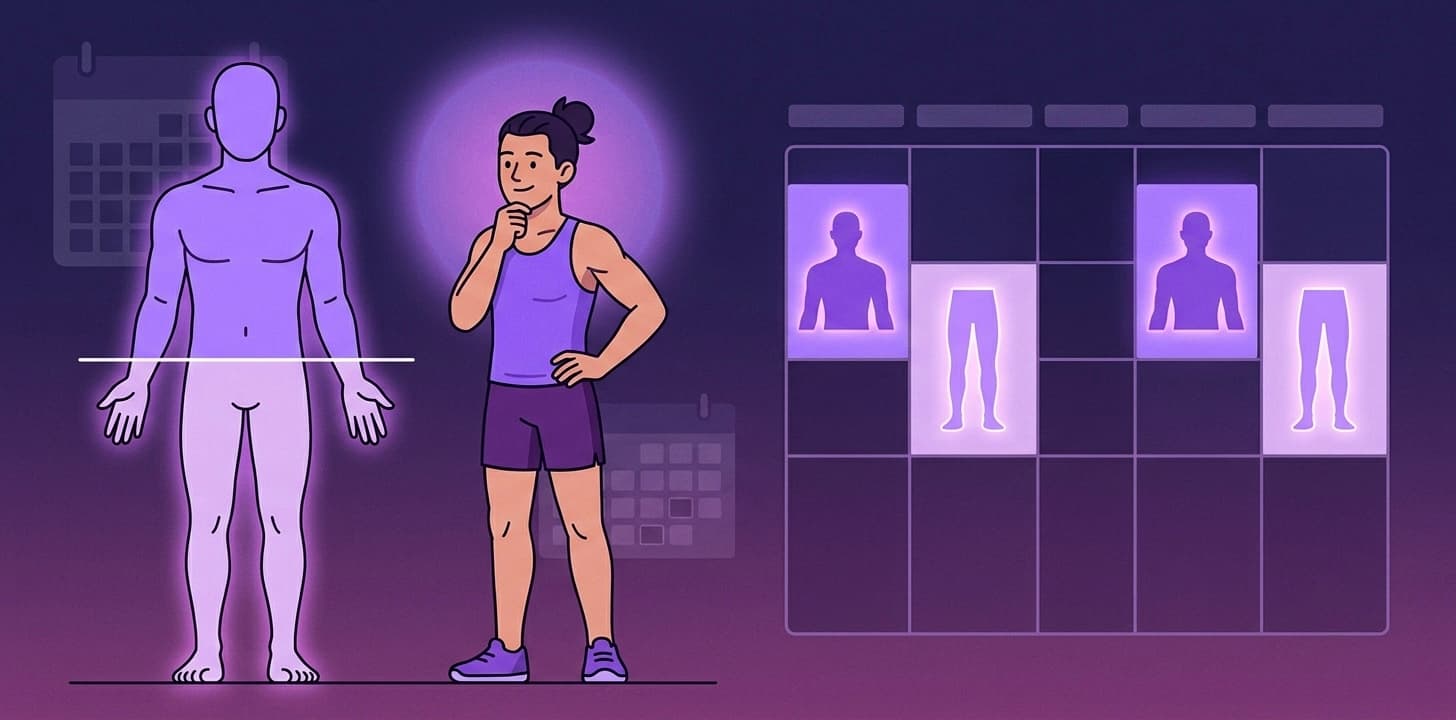
Upper/Lower Split: The 4-Day Program That Actually Works
The most efficient training split for people who can train four days per week — with balanced push/pull volume and real recovery time.
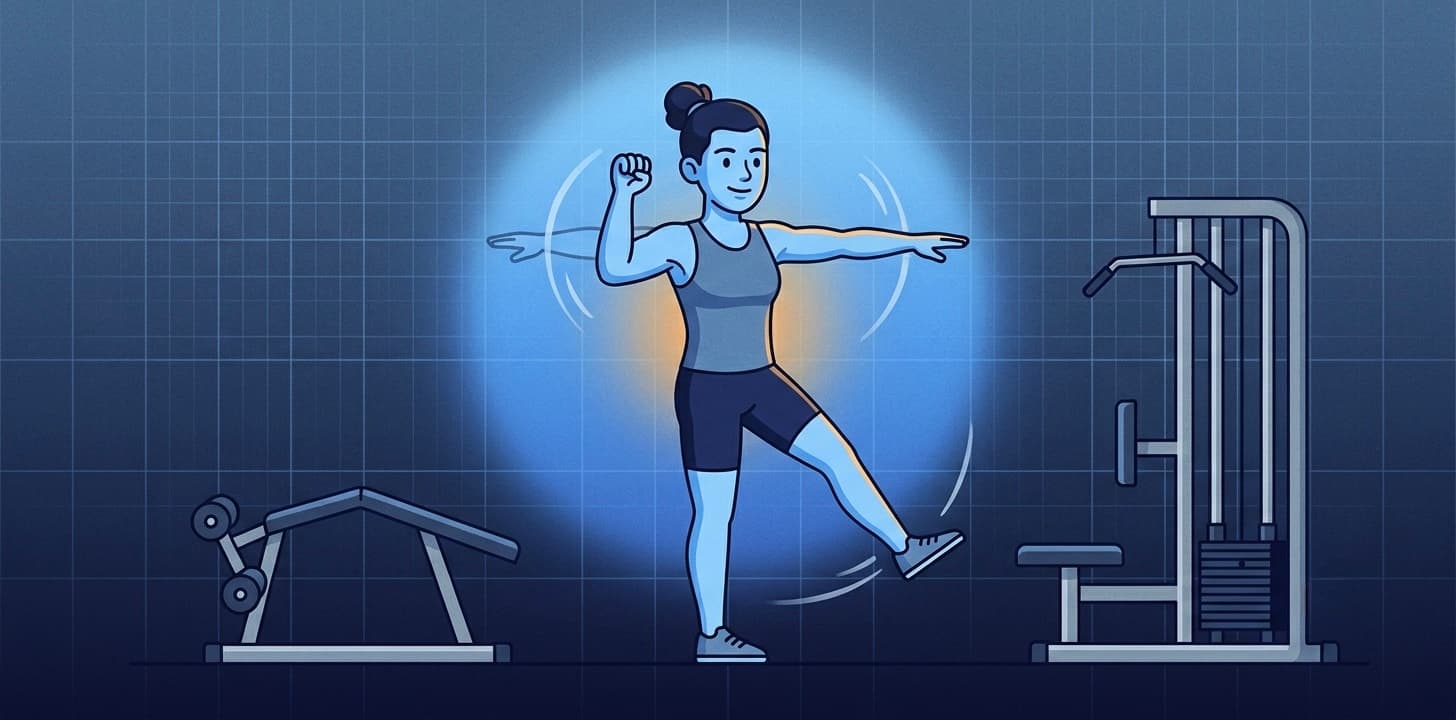
How to Warm Up Properly (And Why Most People Skip It)
Eight to twelve minutes of proper warm-up can improve your performance by 5-10% and dramatically reduce injury risk. Here's the protocol.
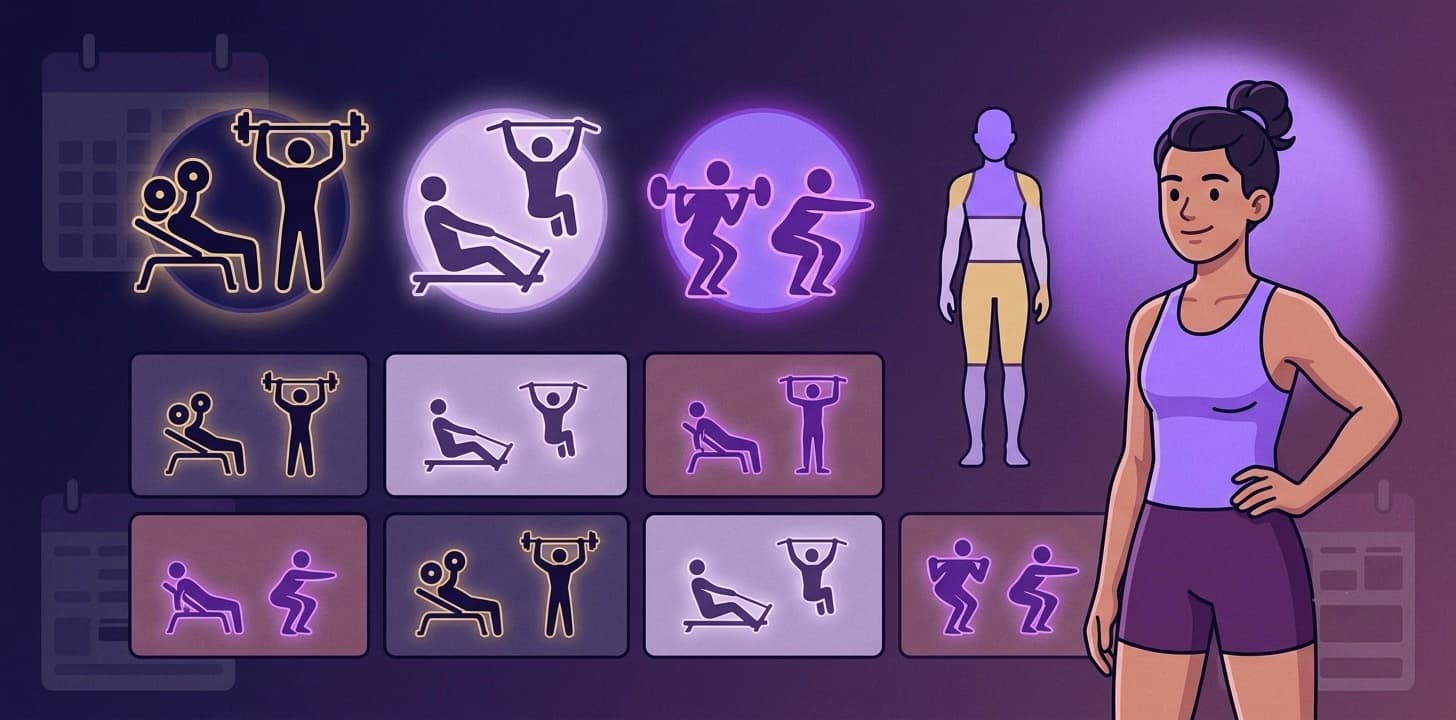
Push Pull Legs: The Complete Program Guide
How to structure the most popular training split — and why it works so well for intermediate lifters training 6 days per week.

TDEE Explained: How to Calculate Your Calorie Target
The complete breakdown of BMR, RMR, and TDEE — and how to use them to set a calorie target that actually works.

Protein, Carbs, and Fat: How to Set Your Macros
A no-nonsense guide to calculating your daily macronutrient targets based on your body, your goal, and the science.

Menstrual Cycle and Training: What the Evidence Really Says
Does your cycle phase really change your strength, recovery, and calorie needs? Here's what the strongest current research shows — and why tracking the symptoms you actually feel beats training by the calendar.
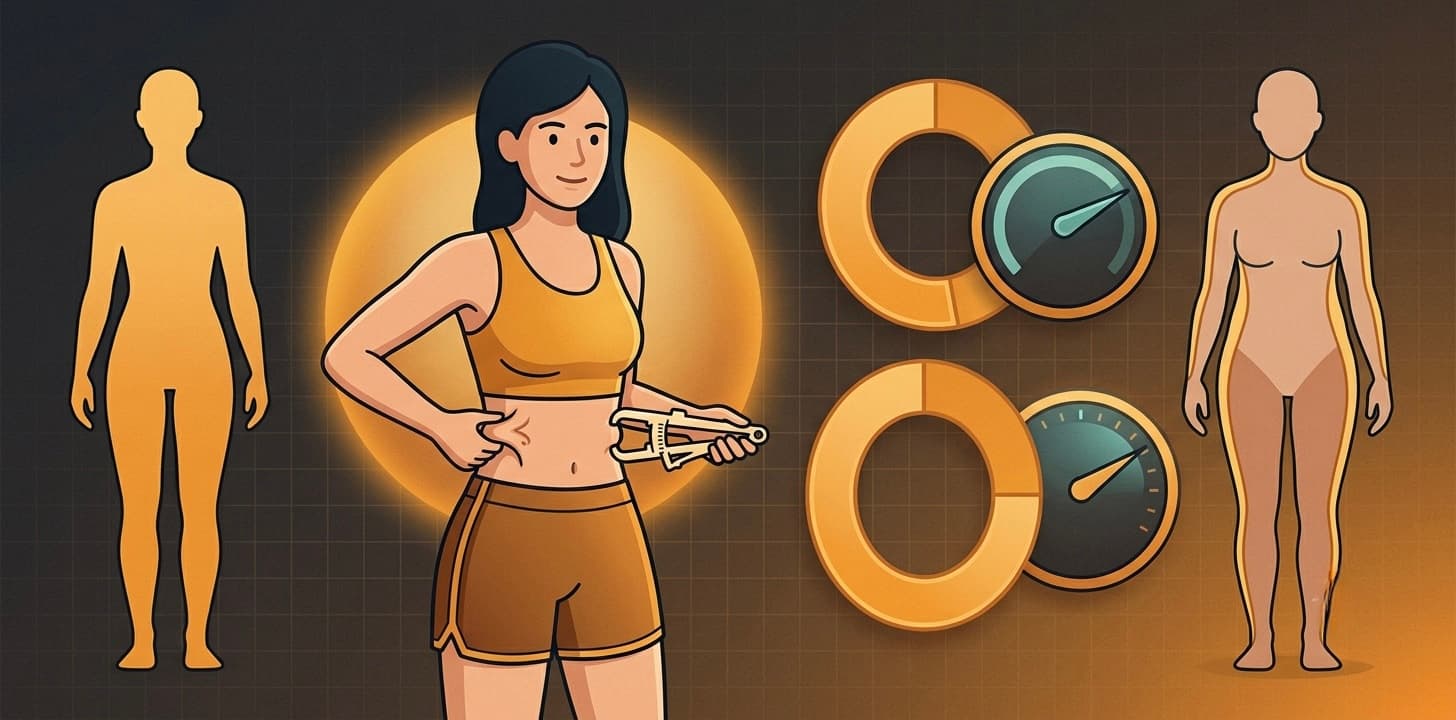
Body Fat Percentage: What It Means and How to Measure It
Why body fat percentage matters more than scale weight — and the best methods to actually measure it accurately.
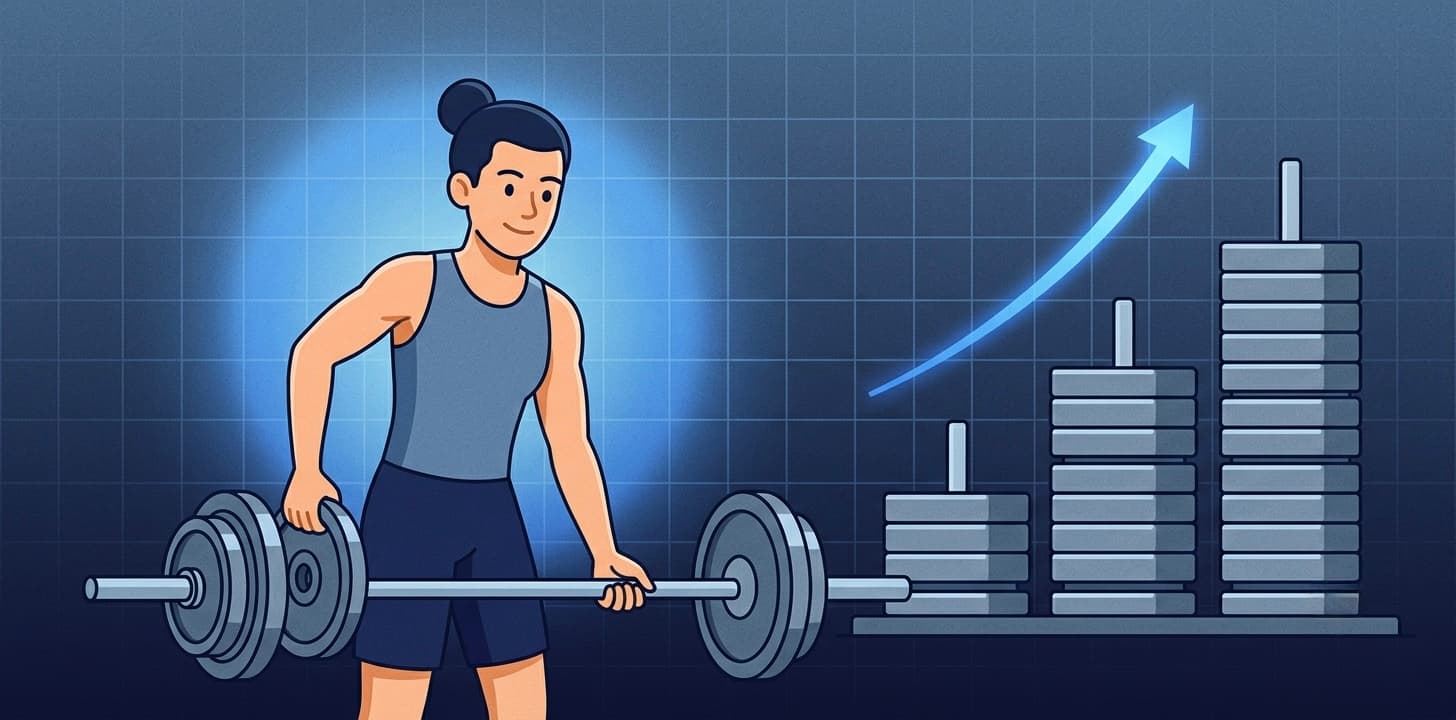
Progressive Overload: The Only Rule That Matters
If you're not progressively overloading, you're not progressing. Here's how to apply the most important principle in strength training.

How to Import Your Trainer's Program into RepTrack Pro
Got a workout plan as a PDF or photo? Here's how to turn it into a fully trackable program in seconds.
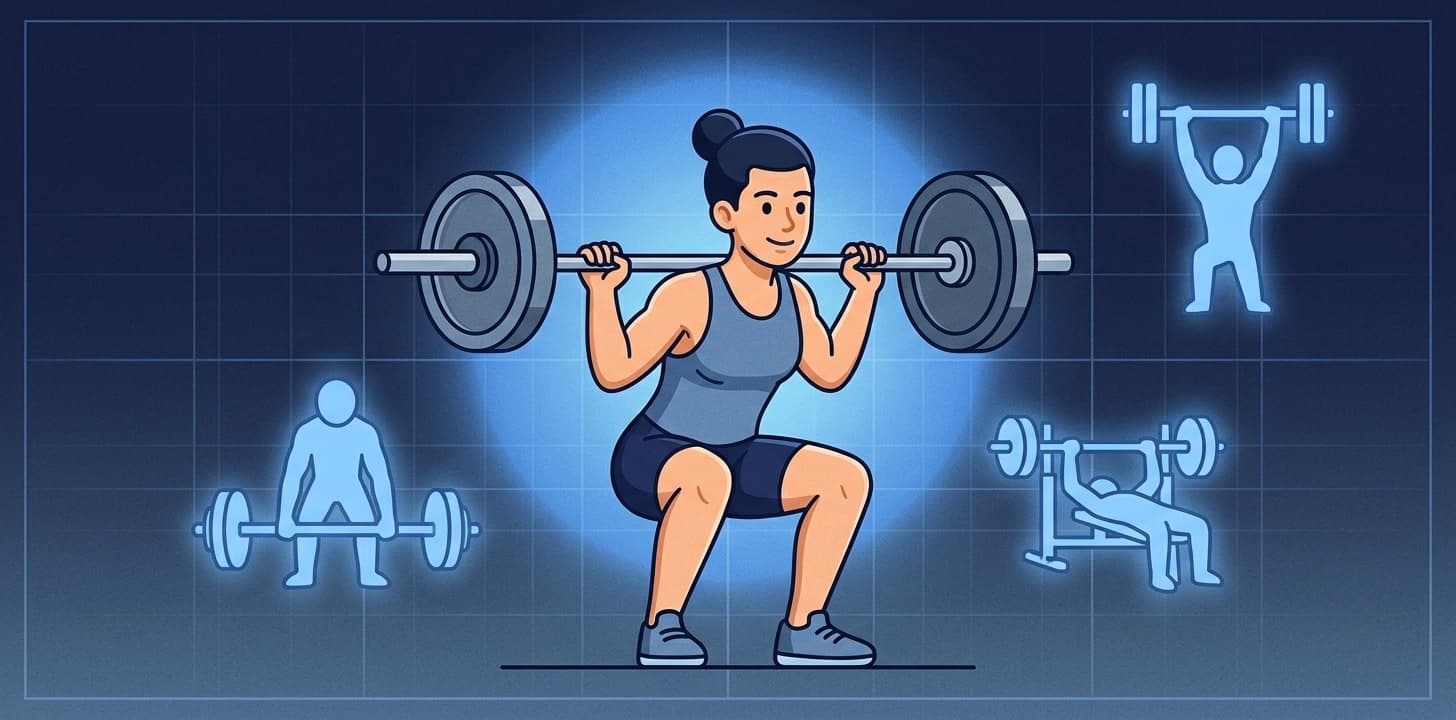
The 10 Best Compound Exercises (And How to Do Them)
Compound movements build the most muscle in the least time. Here are the 10 you should master — with form cues, common mistakes, and variations.