Pre-Workout Nutrition: What to Eat Before Training for Peak Performance
8 min read · May 2025 · by Manikanta Sirumalla
Pre-Workout Nutrition: What to Eat Before Training for Peak Performance
The meal you eat before training is not just fuel: it is the biochemical environment you create in your body for the next 2 to 3 hours of physical work. The right pre-workout nutrition provides stable blood glucose for sustained energy, amino acids for muscle protection, and glycogen to power high-intensity effort. The wrong pre-workout meal, or no meal at all, can mean the difference between a productive session and one where you are dragging through your working sets, lightheaded on set three of squats, or sprinting to the bathroom mid-workout.
The details matter less than most supplement companies want you to believe, but they matter more than "just eat something." Here is what the research says about timing, composition, and practical execution.
Timing: The 1 to 3 Hour Window
The timing of your pre-workout meal depends on its size and composition:
Full meal (400–600+ calories): Eat 2 to 3 hours before training. A meal this size requires significant gastric emptying time. Training with a large, undigested meal in your stomach diverts blood flow to the GI tract (for digestion) when you need it in your working muscles, causing nausea, cramping, and reduced performance.
Moderate snack (200–400 calories): Eat 1 to 2 hours before training. This is the sweet spot for most people, enough time for partial digestion and nutrient absorption, but close enough to training that blood glucose and amino acid levels are elevated when you start.
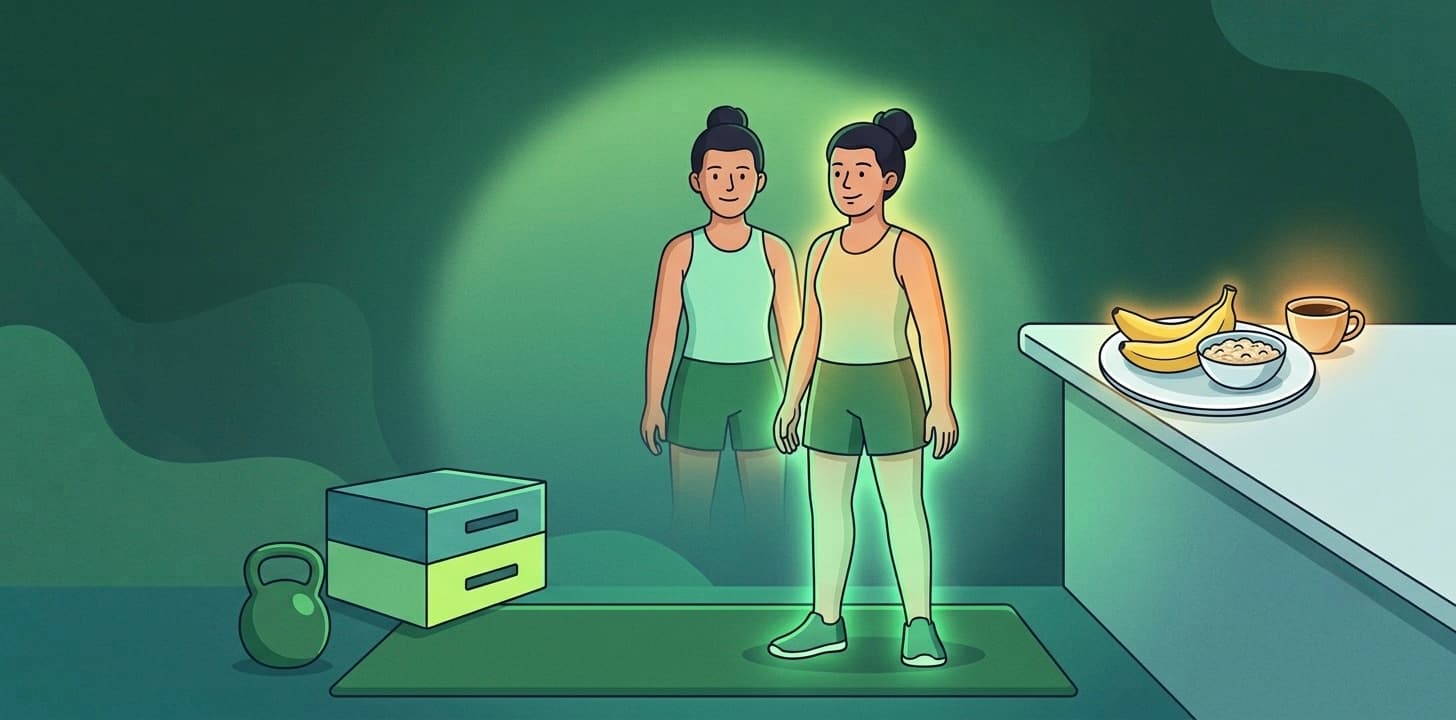
Small snack (100–200 calories): Can be consumed 30 to 60 minutes before training. This works for people who cannot tolerate larger meals close to exercise or who are training early in the morning. Keep it simple: a banana, a rice cake with honey, or a small whey shake.
| Meal Size | Calories | Timing Before Training | Best For |
|---|---|---|---|
| Full meal | 400–600+ | 2–3 hours | Planned sessions, maximum fueling |
| Moderate snack | 200–400 | 1–2 hours | Most common, good balance |
| Small snack | 100–200 | 30–60 minutes | Early morning, sensitive stomachs |
Macronutrient Composition: What to Eat
Carbohydrates: The Primary Fuel
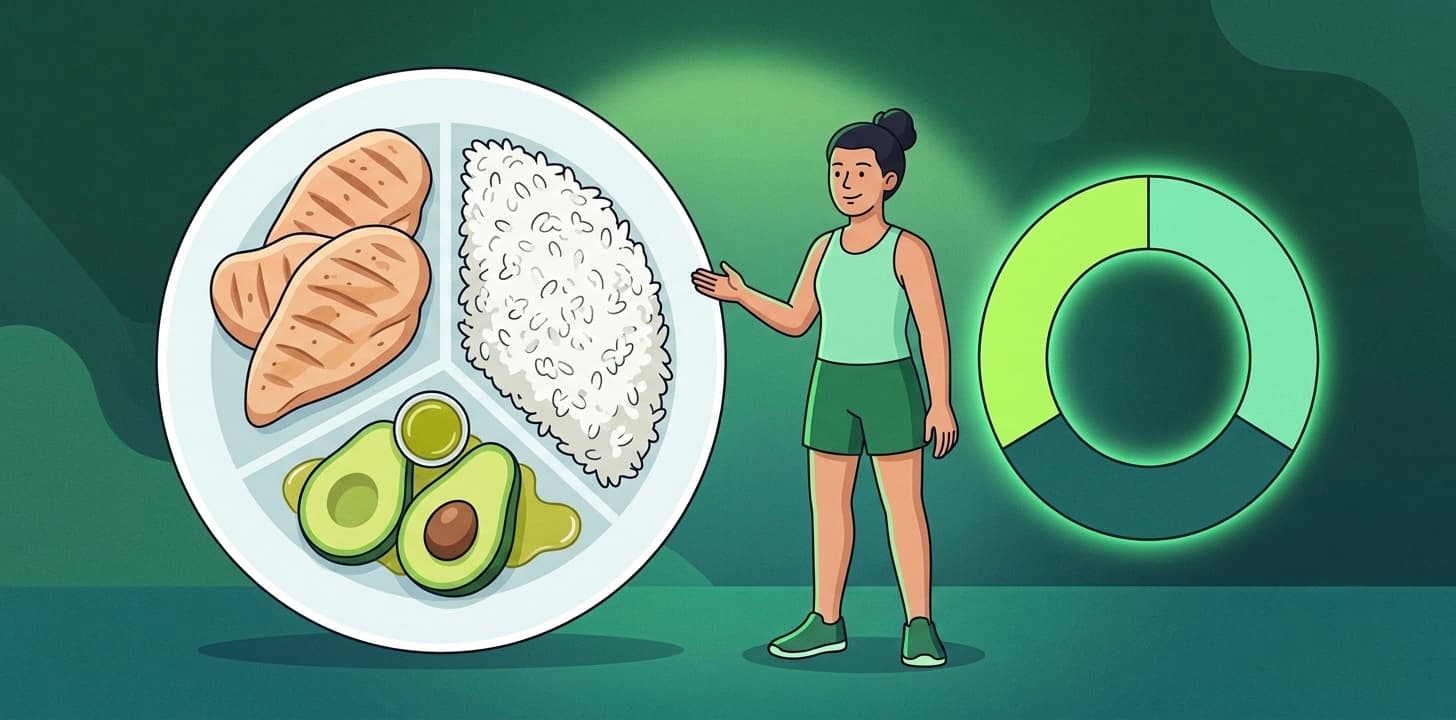
Carbohydrates are the dominant fuel for resistance training and high-intensity exercise. Your muscles rely on stored glycogen for efforts above roughly 65% of maximal intensity, which includes virtually every working set in the gym.
Pre-workout carbohydrate intake tops off liver glycogen (which maintains blood glucose during training) and provides readily available glucose. Research consistently shows that pre-exercise carbohydrate ingestion improves performance in sessions lasting longer than 45 minutes and in sessions involving high-volume work.
Target: 0.5 to 1.0 g of carbohydrate per kg of body weight in your pre-workout meal. For a 75 kg person, that is 37 to 75 grams of carbs.
Best sources: Complex carbohydrates with a moderate glycemic index: oatmeal, rice, potatoes, sweet potatoes, whole grain bread, fruit. These provide sustained glucose release rather than a sharp spike and crash. Avoid very high-GI simple sugars (candy, soda) more than 30 minutes before training, as the insulin response can cause reactive hypoglycemia, a blood sugar crash that leaves you feeling weak and shaky during your warm-up.
Protein: Amino Acid Priming
Including protein in your pre-workout meal serves two purposes. First, it provides circulating amino acids that are available during and immediately after training, effectively extending the "anabolic window" without requiring an immediate post-workout shake. Second, pre-workout protein consumption has been shown to increase resting energy expenditure post-exercise more than carbohydrate alone.
Target: 20 to 40 grams of protein. This is enough to cross the leucine threshold (2.5–3 g) and maximally stimulate muscle protein synthesis. For more on leucine thresholds, see our protein timing guide.
Best sources: Lean protein that digests relatively quickly: chicken breast, egg whites, whey protein, low-fat Greek yogurt, white fish. Avoid slow-digesting proteins like casein or high-fat meats, which take longer to empty from the stomach and can cause discomfort during training.
Fat: Keep It Low
Fat slows gastric emptying. This is useful for satiety at other meals, but before training, slow digestion is a liability. A high-fat pre-workout meal keeps food sitting in your stomach longer, increasing the risk of nausea and GI distress during intense exercise.
Target: Less than 15 grams of fat in the pre-workout meal, especially if eating within 90 minutes of training. If your meal is 2 to 3 hours before, moderate fat (15 to 25 g) is acceptable because there is more time for digestion.
Evidence-Based Supplements for Pre-Workout
Caffeine
Caffeine is the most well-studied and consistently effective performance-enhancing supplement available. Its benefits for exercise are robust:
- Strength: Increases maximal voluntary contraction force by 3 to 5%
- Endurance: Reduces perceived exertion and extends time to exhaustion by 2 to 4%
- Power: Improves peak power output by 3 to 7%
- Cognitive function: Enhances focus, reaction time, and decision-making during training
Optimal dose: 3 to 6 mg per kg of body weight, consumed 30 to 60 minutes before training. For a 75 kg person, that is 225 to 450 mg, roughly equivalent to 2 to 4 cups of coffee or 1 to 1.5 scoops of most pre-workout supplements.
Important caveats: Individual caffeine sensitivity varies enormously due to genetic variation in the CYP1A2 enzyme that metabolizes caffeine. "Slow metabolizers" (roughly 50% of the population) may experience anxiety, jitteriness, and impaired sleep even at moderate doses. If caffeine after noon disrupts your sleep, prioritize sleep quality over the pre-workout boost: chronic poor sleep will harm your gains far more than a marginal pre-workout performance increase.
Caffeine tolerance develops with chronic use. If you consume caffeine daily, you may need to periodically cycle off (5 to 7 days) to restore full sensitivity, or reserve higher doses for your most important training sessions.
Citrulline Malate
Citrulline is an amino acid that increases nitric oxide production, enhancing blood flow to working muscles. It also assists in ammonia clearance, reducing the metabolic byproducts that contribute to fatigue.
Dose: 6 to 8 grams of citrulline malate (or 3 to 5 grams of L-citrulline) taken 30 to 60 minutes pre-workout. Research shows modest improvements in training volume (an additional 1 to 2 reps per set in some studies) particularly during high-volume, higher-rep work.
Beta-Alanine
Beta-alanine increases intramuscular carnosine levels, which buffers hydrogen ions produced during high-intensity exercise. This delays the burning sensation you feel during long sets: the acid accumulation that makes the last 5 reps of a set of 15 agonizing.
Dose: 3.2 to 6.4 grams daily (not timing-dependent, beta-alanine works through chronic loading, not acute dosing). Benefits are most pronounced for exercises lasting 60 to 240 seconds: think high-rep sets, circuits, and sustained efforts. For sets of 1 to 5 reps, the contribution of beta-alanine is negligible because those sets are too short for significant acid accumulation.
Side effect: Paresthesia, the tingling/itching sensation on the skin that many people associate with "the pre-workout kicking in." This is harmless but can be uncomfortable. Splitting the dose across multiple servings reduces the effect.
Creatine
While creatine is typically discussed as a post-workout supplement, its timing is not actually critical. Creatine works through chronic saturation of intramuscular phosphocreatine stores, not acute dosing. Taking it before or after training, or at any other time, produces the same long-term results as long as you take it consistently. Five grams per day, every day, at whatever time is most convenient.
Fasted Training: Should You Train on an Empty Stomach?
Fasted training (exercising after 8+ hours without food, typically first thing in the morning) is a popular practice among people who either prefer it for convenience, believe it enhances fat burning, or simply cannot eat early in the morning.
The fat-burning argument: It is true that fasted exercise increases acute fat oxidation during the session. Your body has no circulating glucose to prioritize, so it relies more heavily on fatty acids. However, over a 24-hour period, total fat oxidation equalizes between fed and fasted training when total calorie intake is matched. A 2014 study by Schoenfeld et al. confirmed this: after 4 weeks, there was no difference in fat loss between fasted and fed training groups consuming the same calories.
The performance argument: Fasted training consistently results in lower training volume, reduced power output, and increased perceived exertion compared to fed training. If your primary goal is muscle growth or strength, training fasted puts you at a measurable disadvantage.
When fasted training is acceptable: For low-to-moderate intensity steady-state cardio (walking, easy cycling), fasted training has minimal performance downsides. For people who genuinely cannot eat in the morning without GI distress, training fasted with a strong post-workout meal within 1 to 2 hours is a reasonable compromise. For high-intensity or high-volume sessions, eating before training is clearly superior.
Practical Pre-Workout Meals
Here are real-world meal ideas organized by timing:
2–3 Hours Before Training
- Chicken breast (150 g) + white rice (1 cup cooked) + steamed vegetables
- Oatmeal (80 g dry) + whey protein (1 scoop) + banana
- Turkey sandwich on whole wheat bread + side of fruit
1–2 Hours Before Training
- Greek yogurt (200 g) + granola (30 g) + berries
- Rice cakes (2–3) + peanut butter (1 tbsp) + banana
- Whey protein shake + banana + handful of cereal
30–60 Minutes Before Training
- Banana + small handful of gummy bears or dried fruit
- White rice cake + honey
- Half a sports drink + a few crackers
The closer to training, the simpler and lower-fiber your food should be. Complex, fiber-rich meals need distance from your session; simple, fast-digesting carbs can be eaten closer to the start.