

Nutrition Science
From TDEE calculation to macro splits, protein timing, carb cycling, micronutrients, gut health, and the science of deficits and surpluses. Everything you need to fuel performance and recovery.
Chapters
1TDEE Explained: How to Calculate Your Calorie Target
The complete breakdown of BMR, RMR, and TDEE, and how to use them to set a calorie target that actually works.
 2
2BMR vs. RMR: What's the Difference and Which One Matters?
Two acronyms, one crucial concept. Here's what BMR and RMR actually mean, how they're calculated, and which equation you should trust.
 3
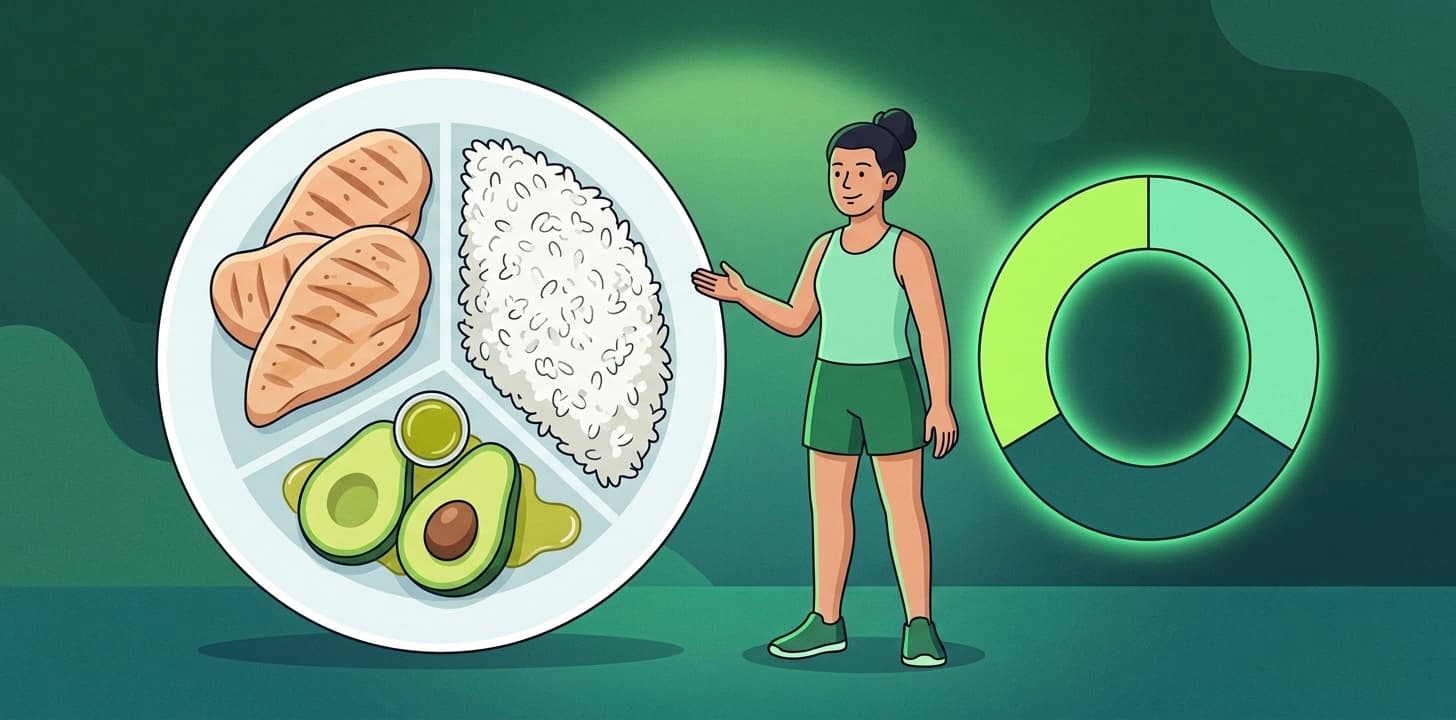
3Protein, Carbs, and Fat: How to Set Your Macros
A no-nonsense guide to calculating your daily macronutrient targets based on your body, your goal, and the science.
 4
4Calorie Deficit vs. Surplus: Which One Do You Need?
How energy balance actually works, and how to set the right calorie target for fat loss, muscle gain, or maintenance.
 5
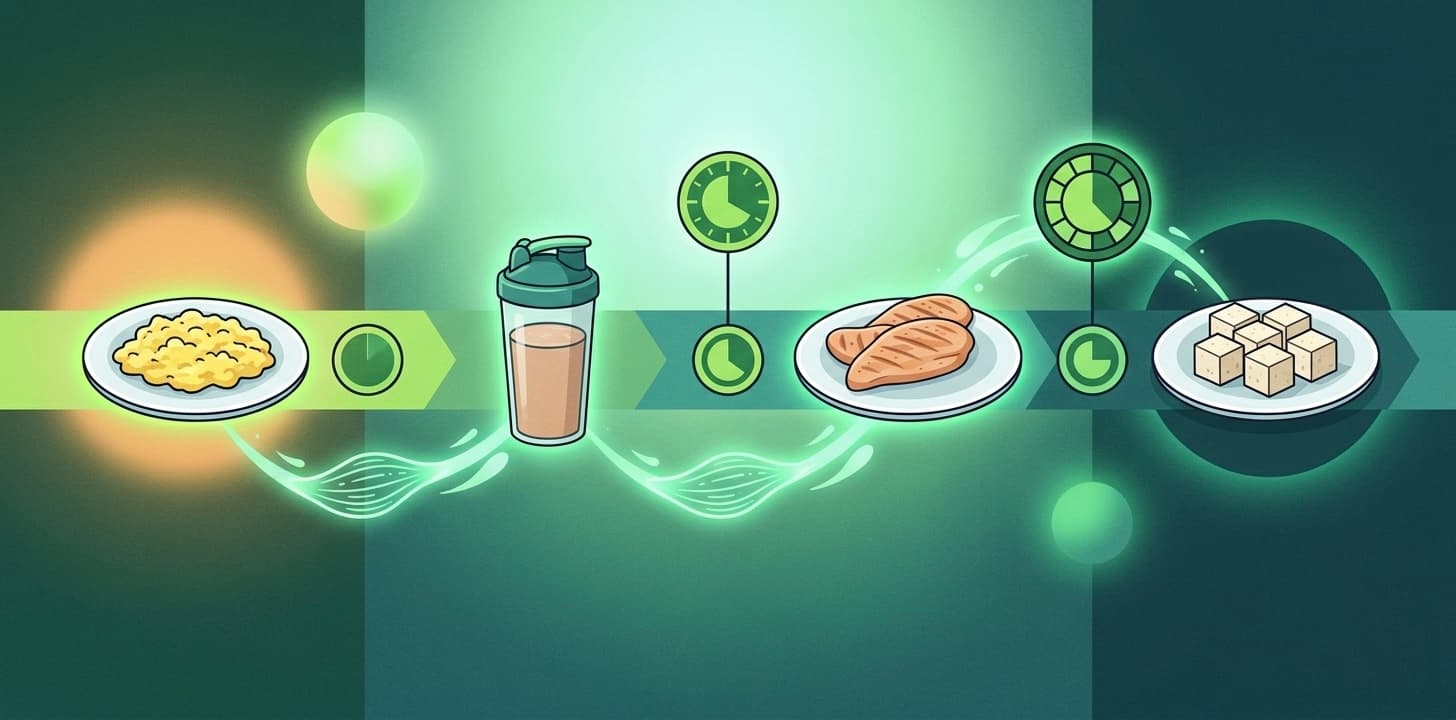
5Protein Timing: When to Eat Protein for Maximum Muscle Growth
The anabolic window is real but far wider than gym culture claims. Learn the science of protein distribution, leucine thresholds, and MPS refractory periods to optimize your gains.
 6
6Carb Cycling: How to Match Carbohydrate Intake to Training Demands
Carb cycling adjusts your carbohydrate intake based on training intensity and volume. Learn how to structure high, medium, and low carb days for better performance and body composition.
 7
7Meal Timing: Does When You Eat Actually Matter?
The 'anabolic window' is mostly myth. But meal timing does matter in specific situations. Here's what the research actually says.
 8
8Pre-Workout Nutrition: What to Eat Before Training for Peak Performance
What you eat before training affects energy, strength, and endurance. Learn the ideal timing, macronutrient composition, and practical meal ideas for pre-workout nutrition.
 9
9Post-Workout Nutrition: What to Eat After Training for Recovery and Growth
The post-workout meal supports glycogen replenishment, muscle protein synthesis, and recovery. Learn the real science of nutrient timing after training, without the bro-science panic.
 10
10Reverse Dieting: How to Transition Out of a Calorie Deficit Without Gaining Fat
After a cut, jumping back to maintenance calories often causes rapid fat regain. Reverse dieting adds calories back gradually to restore metabolic rate while minimizing fat gain.
 11
11Micronutrients for Athletes: Essential Vitamins and Minerals for Performance
Macros get the headlines, but micronutrient deficiencies silently sabotage performance. Learn which vitamins and minerals athletes need most, how to identify deficiencies, and when to supplement.
 12
12Fiber Intake Guide: How Much Fiber You Need and How to Get It
Most people eat half the fiber they need. Learn why fiber matters for satiety, gut health, and body composition, plus how to increase your intake without digestive distress.
 13
13Hydration for Performance: How Much Water Do You Actually Need?
Forget '8 glasses a day.' Here's how to calculate your actual hydration needs based on your body weight, activity level, and training demands.
 14
14Sodium and Training: The Electrolyte Athletes Get Wrong
Sodium is demonized in general health advice but essential for athletic performance. Learn about electrolyte balance, sweat rate testing, hyponatremia risk, and practical sodium strategies.
 15
15Gut Health and Exercise Performance: The Microbiome Connection
Your gut microbiome directly influences exercise performance, recovery, and immune function. Learn how fiber, prebiotics, probiotics, and training itself shape your gut health.
 16
16Alcohol and Fitness: How Drinking Affects Muscle, Recovery, and Fat Loss
Alcohol impairs muscle protein synthesis, disrupts sleep architecture, affects hormone levels, and slows fat metabolism. Here is what the research says, and practical guidelines for people who drink.
Ready to apply what you've learned?
RepTrack Pro puts this science to work — AI-powered plans, precision nutrition, and real-time tracking.
Download RepTrack Pro